How does a construction loan release the money?
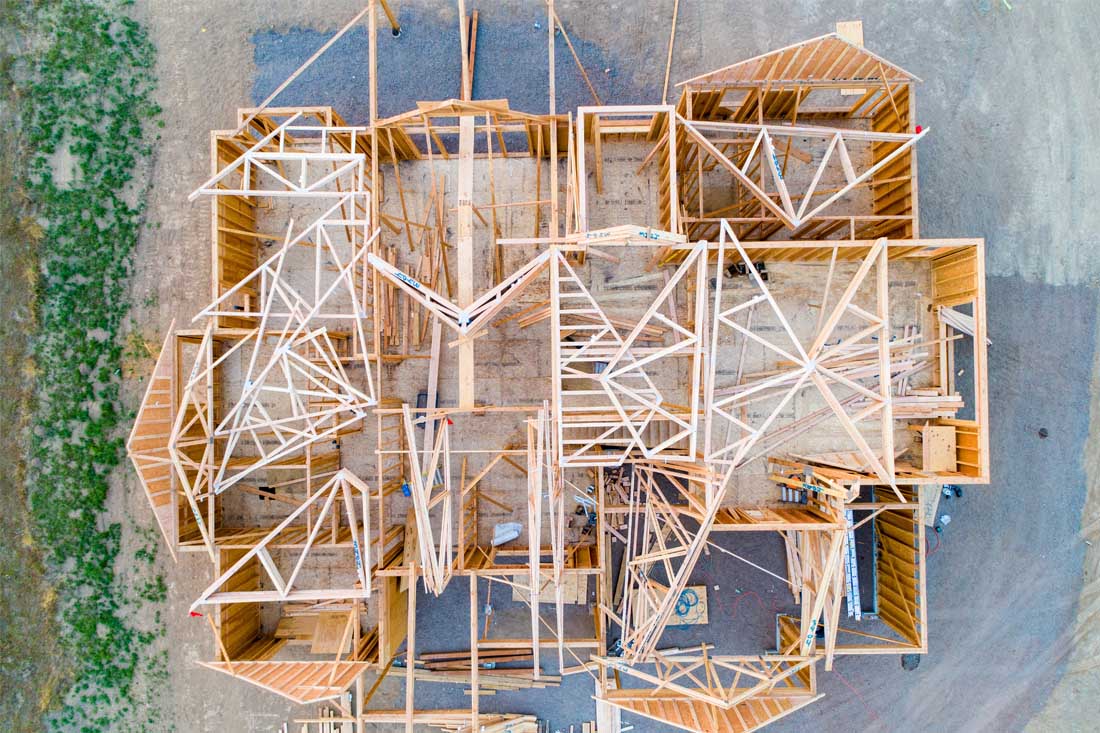
The loan is paid out in stages, called progress payments or drawdowns, that match the build. The usual stages are deposit, slab or base, frame, lockup, fixing or fit-out, and completion. As each stage finishes, the lender (often after a brief valuation) releases that portion of the loan directly to your builder. You don’t receive the full amount upfront, and you only pay interest on what’s been drawn so far.
Do I pay interest on the whole loan during construction?
No. During the build you pay interest only on the amount that’s actually been drawn down, not the full approved loan. Early on, when only the deposit and slab have been released, repayments are low; they increase as more of the loan is drawn at each stage. Once the home is complete, the loan typically converts to a standard principal-and-interest home loan on the full balance.
What deposit do I need for a construction loan?
It works much like a standard home loan, measured against the on-completion value of the property (land plus build). A contribution that keeps you at or below 80% of that value avoids lenders mortgage insurance (LMI), and smaller deposits are workable with LMI added. If you already own the land, its equity often counts toward your contribution, which can reduce or remove the cash deposit needed.
Do I need a fixed-price building contract?
Most lenders want a fixed-price building contract with a licensed builder, because it sets out exactly what’s being built and for how much. That certainty underpins the on-completion valuation and the staged drawdowns. Cost-plus contracts, where the final price isn’t fixed, are possible but sit with a narrower lender panel and tighter terms.
Can I get a construction loan as an owner-builder?
Yes, but they’re harder to arrange. Owner-builder loans come with lower loan-to-value ratios, a much smaller lender panel and more documentation, because the lender carries more risk without a builder’s contract and warranties. It’s achievable with the right lender and a solid plan.
How does a knockdown rebuild or land-and-construction loan work?
For a land-and-construction purchase, the land settles first, then the build is funded in stages on top. For a knockdown rebuild, the equity in your existing property usually supports the new build, with the loan structured around demolition and then the staged construction.
How is the property valued before it’s built?
The lender orders an “as if complete” valuation based on the land value plus your fixed-price building contract and plans. That figure becomes the basis for your loan-to-value ratio. If the on-completion value comes in below the combined land and build cost, the lender may approve less than expected.
What happens to the loan once the build is finished?
After the final stage is drawn and a completion certificate is issued, the loan typically converts from interest-only on the drawn amount to a standard principal-and-interest home loan on the full balance.
How long does a build take, and what if it runs over?
A standard single-dwelling build often runs around six to 12 months. Construction loans usually allow a set construction period, commonly up to 12 months, with extensions available if the build runs over. We help you build a realistic timeline into the loan and manage any extension with the lender if delays occur.
Ready to Start Building with Loanworx?
Whether you’re a first-time builder or an experienced developer, Loanworx can help you set up construction financing that supports your project from start to finish.