Mortgage Broker Research

Finance for Research, the quiet bushland pocket between Eltham and Kangaroo Ground where the blocks are big and the sales are few.

Contact Us

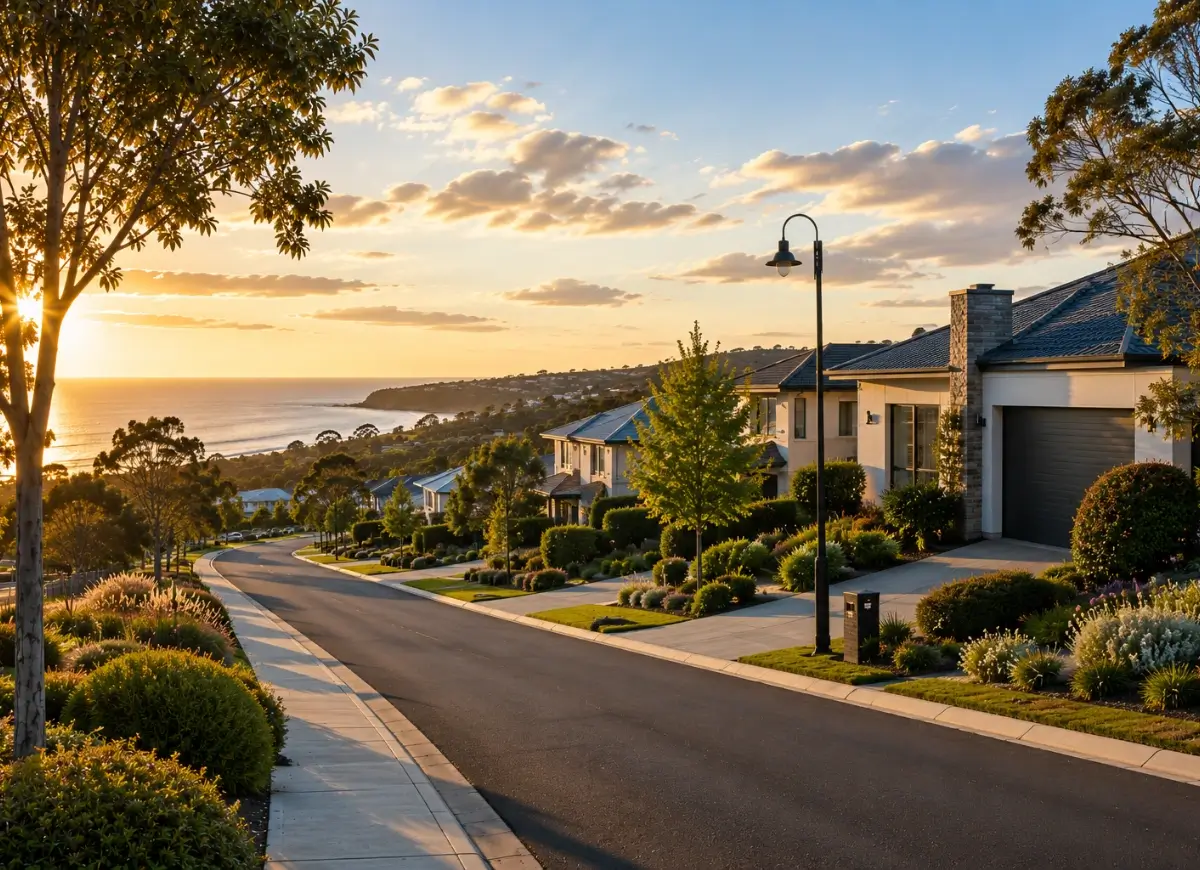
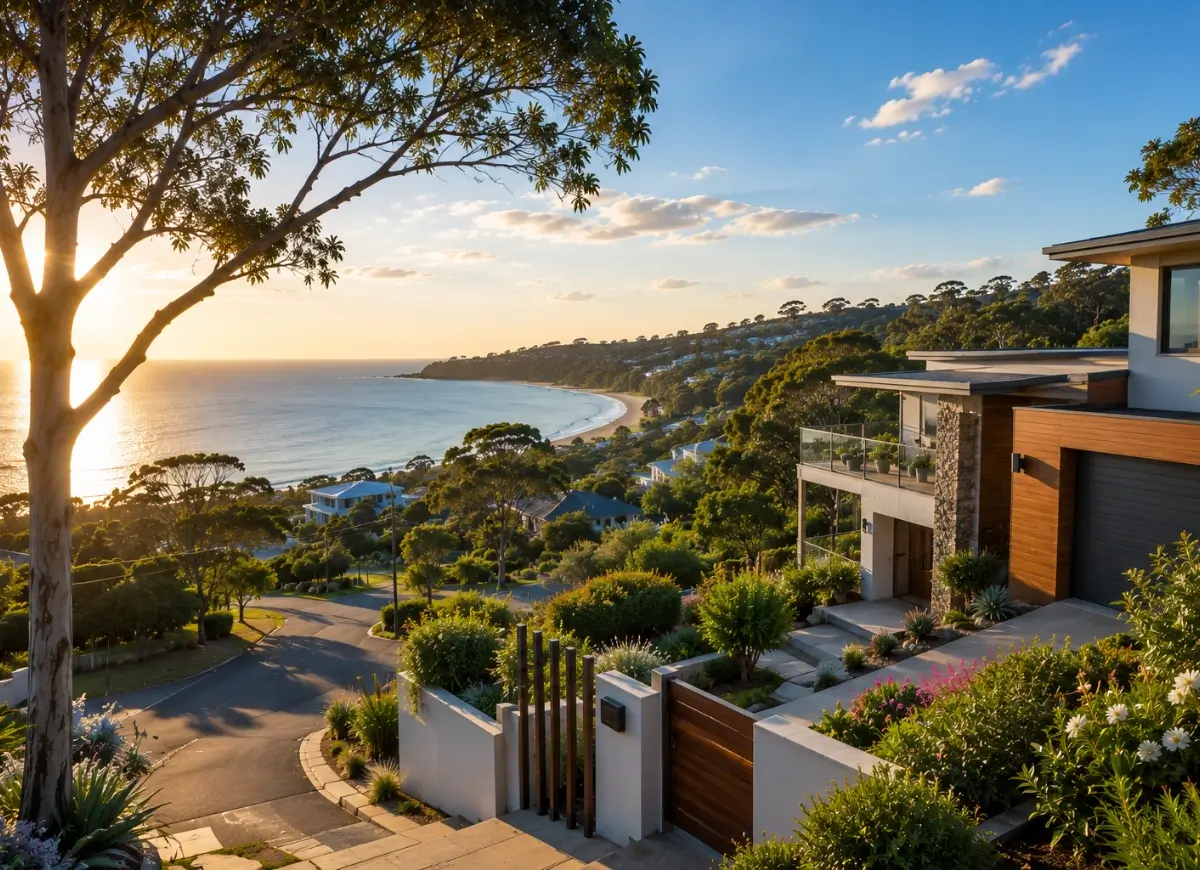
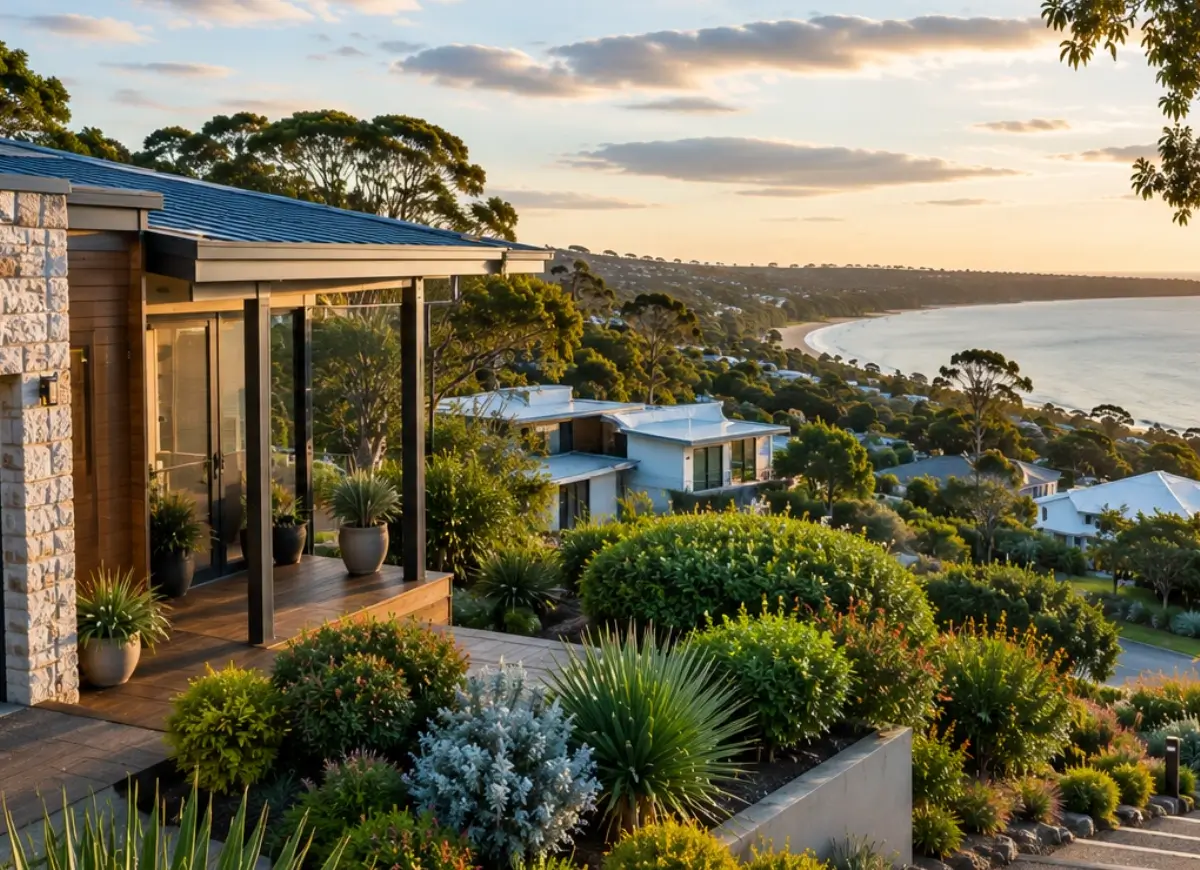
Research is small, and that is most of its appeal. Large treed blocks, a scattering of houses along the main road and bushland in every direction, all within a short drive of Eltham’s shops and station. It is a locality people move to deliberately, often after years of looking, and they tend to stay.

For a lender, though, small and leafy translates to two practical issues. Land size can push a property out of standard residential policy and into rural residential territory, where maximum loan-to-value ratios drop. And with relatively few sales each year, a valuer has thin evidence to work with, which tends to produce cautious figures. Both are manageable, provided the application goes to a lender whose policy accommodates them.

As an independent finance broker covering Melbourne and the north-east, we place your file with the lender whose rules fit the property rather than hoping for an exception.

Looking at a property in Research? Call 1300 562 696 or send us the details and we will let you know where it can be funded.

Mortgage broker arranging finance for a property in Research

What Shapes a Loan in Research

Buying here is as much about the land as the house, and three factors follow from that.

01

The size of the block

Land area is the first thing a lender checks. Beneath a certain threshold the property is assessed as ordinary residential; above it, rural residential policy applies, typically with a lower maximum LVR and fewer lenders willing to participate.

02

Few sales to compare against

In a locality this size a valuer may have only a handful of recent transactions to reference, and none of them especially similar. Conservative valuations follow, so it pays to build a margin into your planning.

03

Bush setting and services

Tank water, septic systems, unsealed driveways and heavy tree cover all appear in the valuer’s report. They rarely stop a loan, but they can influence the figure and occasionally attract conditions.

Land Size and What It Does to Your Loan

The area on the title is the first thing a lender checks, and it drives the deposit you will need:

Block size How it is usually treated
A standard residential allotment Ordinary residential lending, full panel
A large residential block Still standard with most lenders, tighter with a few
Above a lender’s land threshold Assessed under rural residential rules
Well beyond that threshold A short panel and a noticeably larger deposit

This table is a general guide only. Policies differ by lender, by your circumstances and by the property, and they change over time, so treat it as a starting point rather than a quote.

Getting the Land Size Right

The single most common surprise on a semi-rural purchase is discovering after the fact that the lender caps its loan at 70 per cent because the block is fractionally over a threshold, leaving a much larger deposit required than budgeted.

We check the title and the exact land area before anything is lodged, then approach lenders whose policy supports the property at the ratio you actually need. It is a small piece of homework that prevents an expensive shock.

The Assessment on a Semi-Rural Property

Standard income checks still apply, but for Research these four points determine the outcome.

01

Land area and zoning

Most lenders will treat blocks up to a certain size as residential, then shift to rural residential policy above it, which usually reduces the maximum loan-to-value ratio.

We confirm the exact area from the title and match it against each lender’s threshold rather than estimating from the listing.

02

The valuation figure

With few comparable sales nearby, valuations here come in conservatively more often than in a dense suburb.

Because the lender advances against the lower of valuation and price, we plan for a shortfall rather than assuming the contract figure will be confirmed.

03

Access and infrastructure

Properties on unsealed roads, relying on tank water or with septic systems are common in the area and generally accepted, but they do feature in the assessment.

Where access is genuinely difficult, a small number of lenders become uncomfortable, so we check before lodging.

04

Income, expenses and existing debt

Your capacity is assessed the same way it would be anywhere: income, household costs and current repayments measured against a buffered rate, with each lender applying its own benchmarks. The complication is that when the property already restricts your choice of lender, your borrowing capacity has to work with the ones left available. We test both together before recommending a path.

Other Lending We Handle

Beyond a home purchase, these are the other areas our brokers arrange finance for.

First Home Buyers

First Home Buyers

The schemes, grants and deposit options that open the door the first time.

Investment Loans

Investment Loans

Structures that keep an investment property working alongside your own.

Construction Loans

Construction Loans

Construction finance drawn down stage by stage as the build progresses.

SMSF Loans

SMSF Loans

Property inside a self-managed fund, held under a limited recourse arrangement.

Refinance

Refinance

A review of your existing loan, and a switch when the numbers justify it.

What We Bring to a Research Purchase

Small localities and larger blocks reward a broker who knows the policy detail.

01

Policy knowledge on land size

We track where each lender draws its line on land area and zoning, so your application goes somewhere that supports the block rather than somewhere that will cap you late in the process.

02

Realistic expectations on valuation

We tell you upfront what a valuer is likely to have to work with, so a conservative figure is planned for rather than becoming a crisis a fortnight before settlement.

03

Whole-of-panel comparison

Even within the narrower field of lenders comfortable with semi-rural property, pricing and features vary. We compare what remains properly instead of taking the first approval.

04

Clear on our remuneration

Most home loans pay us an upfront and trail commission from the lender once settled, without typically changing your rate or fees. Any fee for service is disclosed in writing beforehand.

Considering a Purchase in Research?

Send us the title details and your financial position, and we will confirm what you can borrow against the block and which lenders will do it. Call us on 1300 562 696.

Contact Us

Suburbs We Also Service

We arrange lending throughout Melbourne’s north-east and across the city. Pick an area from the list below, or go back to the Melbourne mortgage broker page.

Frequently Asked Questions (FAQs)

How much land can I buy before the loan gets harder?

Most lenders treat blocks up to around two hectares as standard residential, though some draw the line lower and a few extend further. Above that threshold, rural residential policy generally applies, which commonly means a maximum loan-to-value ratio of 70 to 80 per cent instead of 95, and a considerably smaller pool of lenders. Because the thresholds differ, checking the exact area against specific policies is worth doing before you make an offer.

Why do valuations in areas like Research come in low?

Valuers rely on recent comparable sales, and in a small locality with few transactions there may be very little genuinely similar to reference. When the evidence is thin, valuers tend towards caution. That is not a reflection on the property, but it does mean the lender may advance against a figure below what you agreed to pay, with the difference payable in cash. We factor that risk in from the beginning.

Does tank water or a septic system affect my loan?

Generally not. Both are normal throughout the north-east and lenders are used to seeing them. They appear in the valuer’s report and, if a system is in poor condition or absent entirely, that could affect the valuation or attract a condition. A functioning setup on an otherwise sound property is unlikely to cause an issue.

Can I build a new home on a block in Research?

Yes, subject to planning approval, and it is financed through a construction loan that releases money in stages as the work progresses. Environmental and bushfire overlays are common in the area and can add to build costs, which the lender will expect to see in a fixed-price contract. We arrange the construction facility and manage the progress payments to your builder.

Do I need a bigger deposit for a semi-rural property?

Often, yes. Where rural residential policy applies, lenders typically cap the loan at a lower percentage of the value, which means more of the purchase comes from your own funds. Equity in another property can be used instead of cash. We calculate the actual requirement for the specific block before you commit, so the deposit is never a late surprise.