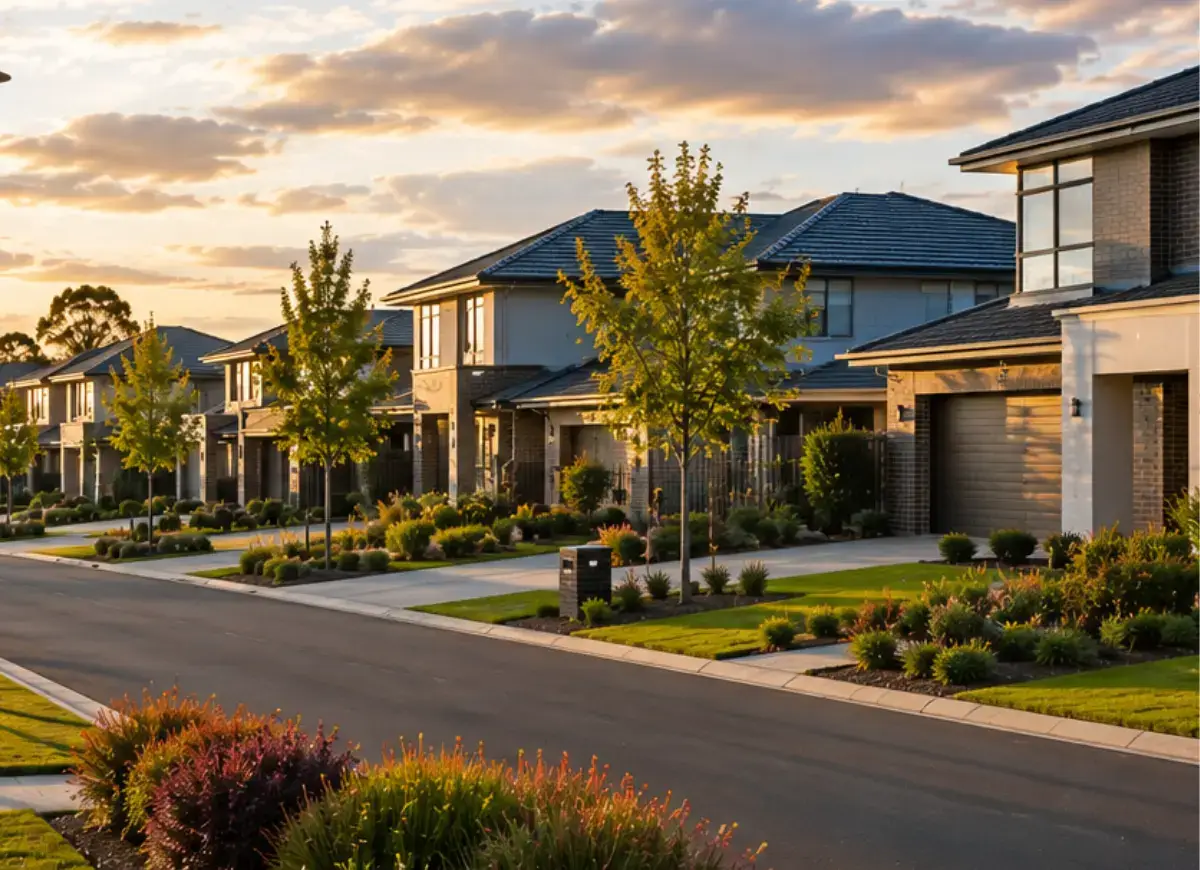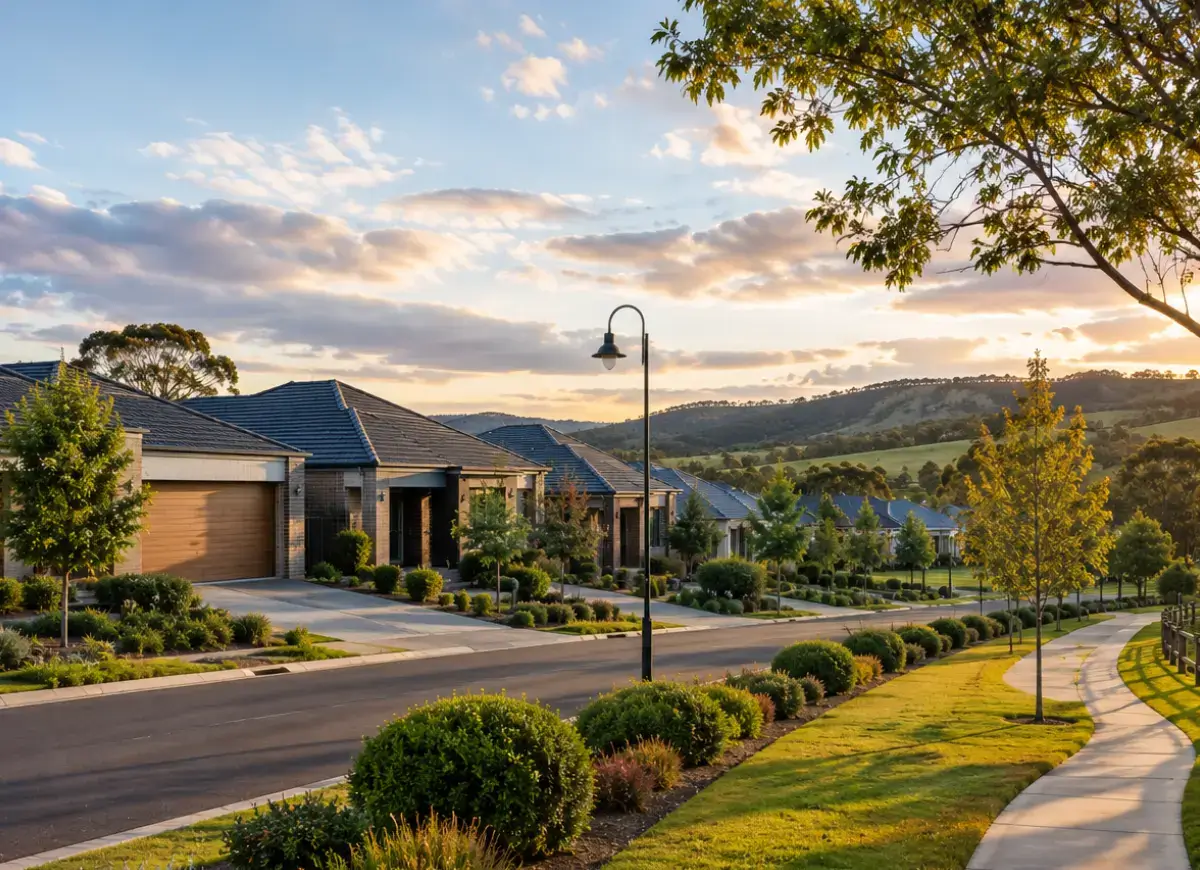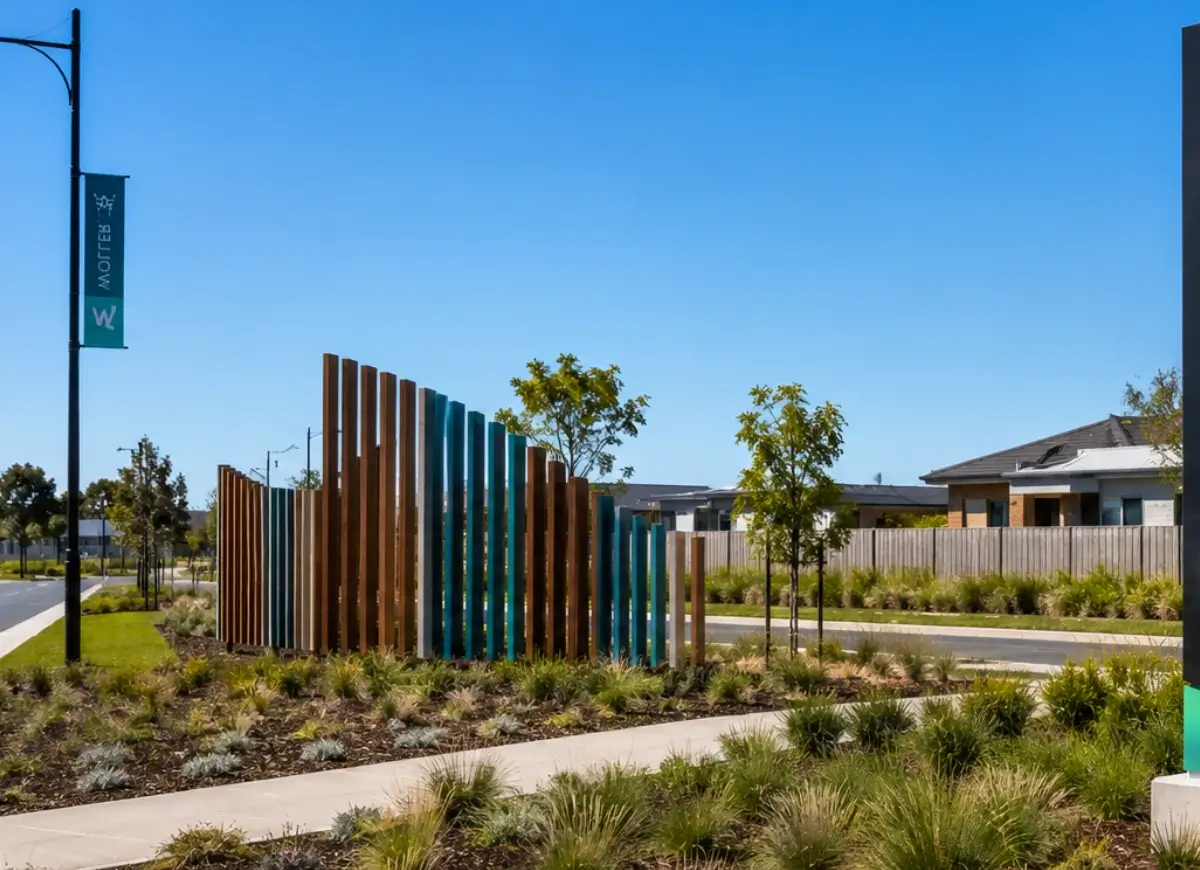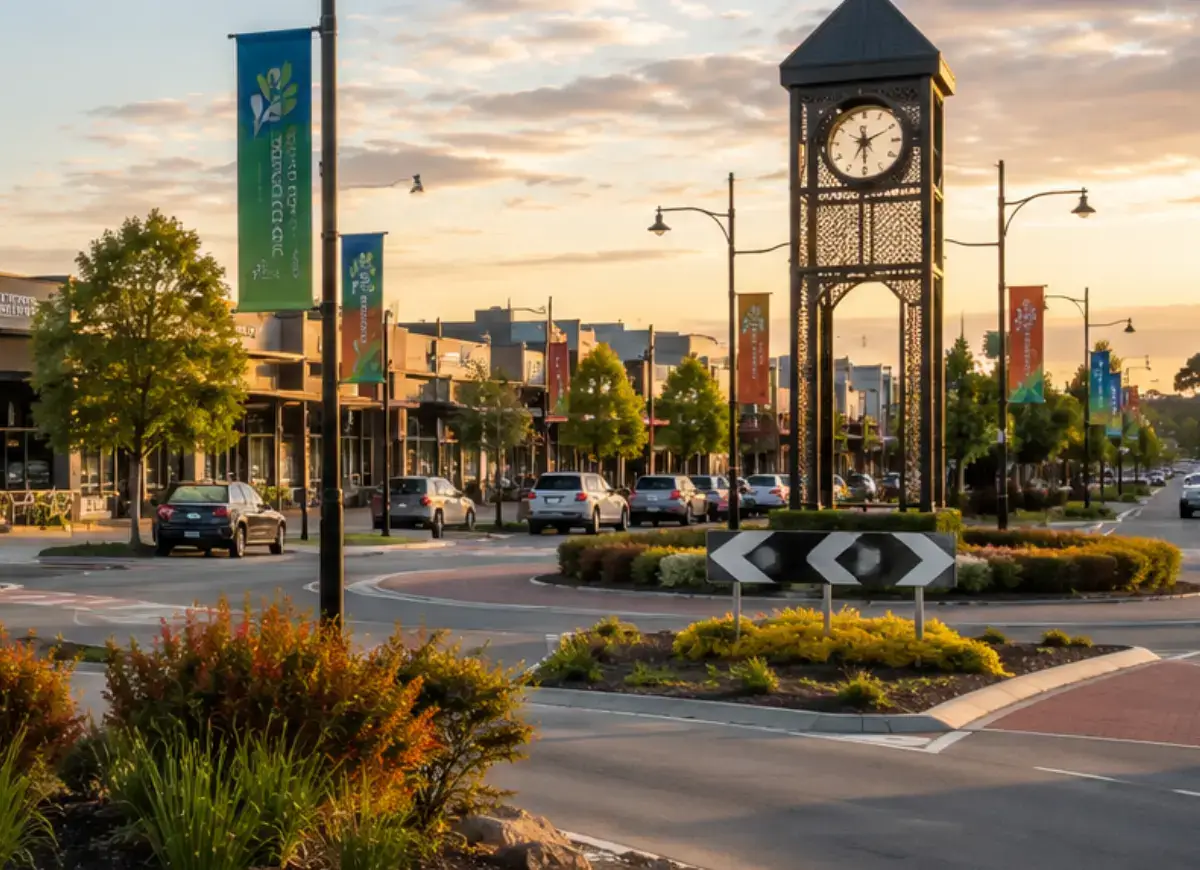
Mortgage Broker Clyde

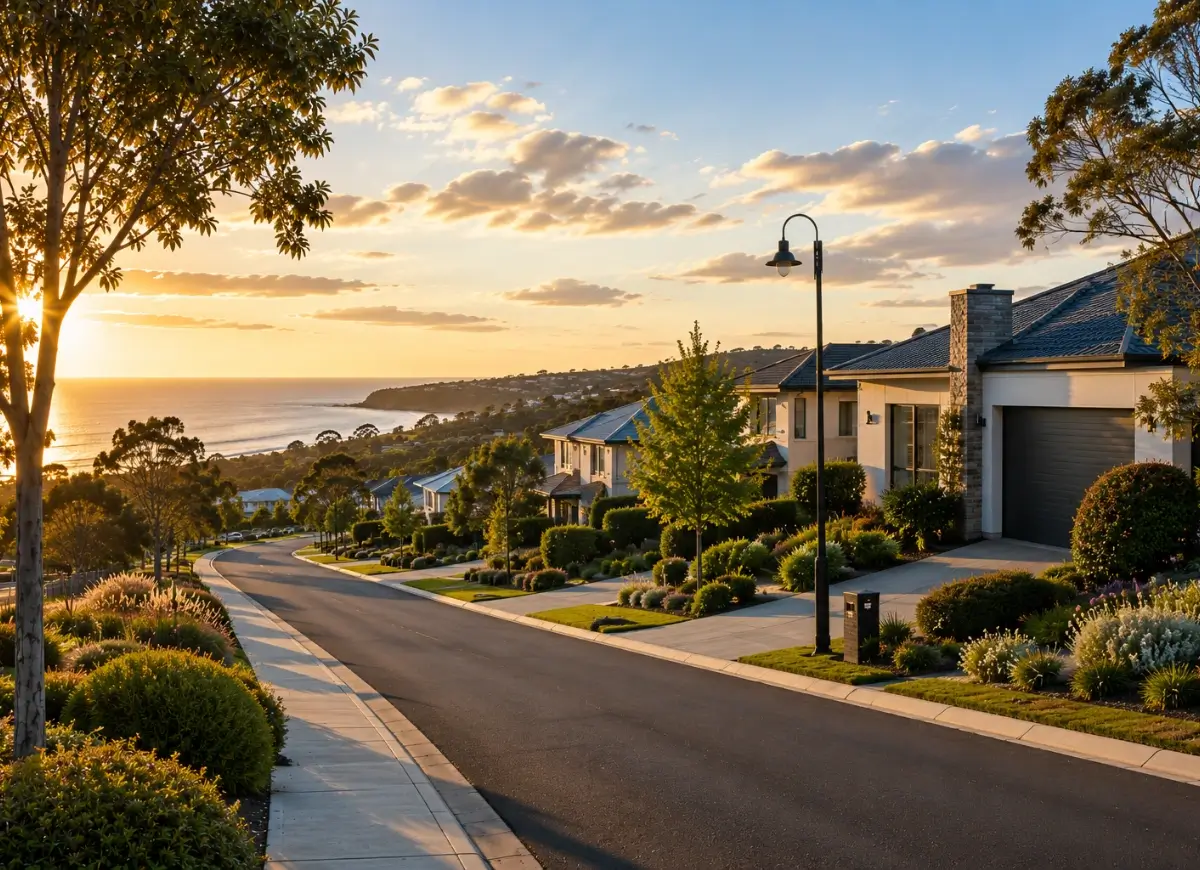
Finance for Clyde, one of the busiest growth pockets in the south-east, where estates keep opening and most buyers are building.

Contact Us

Clyde has been expanding for years and shows little sign of slowing. Estate releases roll out across what was farmland, families arrive from further in where the same money buys considerably less, and the schools and shops follow behind. Nearly everyone buying here is building, which makes construction finance and the first home buyer schemes the two things worth understanding properly.

A construction loan is not a normal mortgage. The lender approves a total but releases it in stages as the house goes up, charging interest only on what has been drawn. Your repayments start small and grow, which is manageable while you are renting, provided you know in advance what each stage costs.

As an independent finance broker covering Melbourne and the south-east, we compare the whole panel and are not tied to any builder or estate.

Building in Clyde? Ring 1300 562 696 or send us your land and build contracts and we will work the finance out.

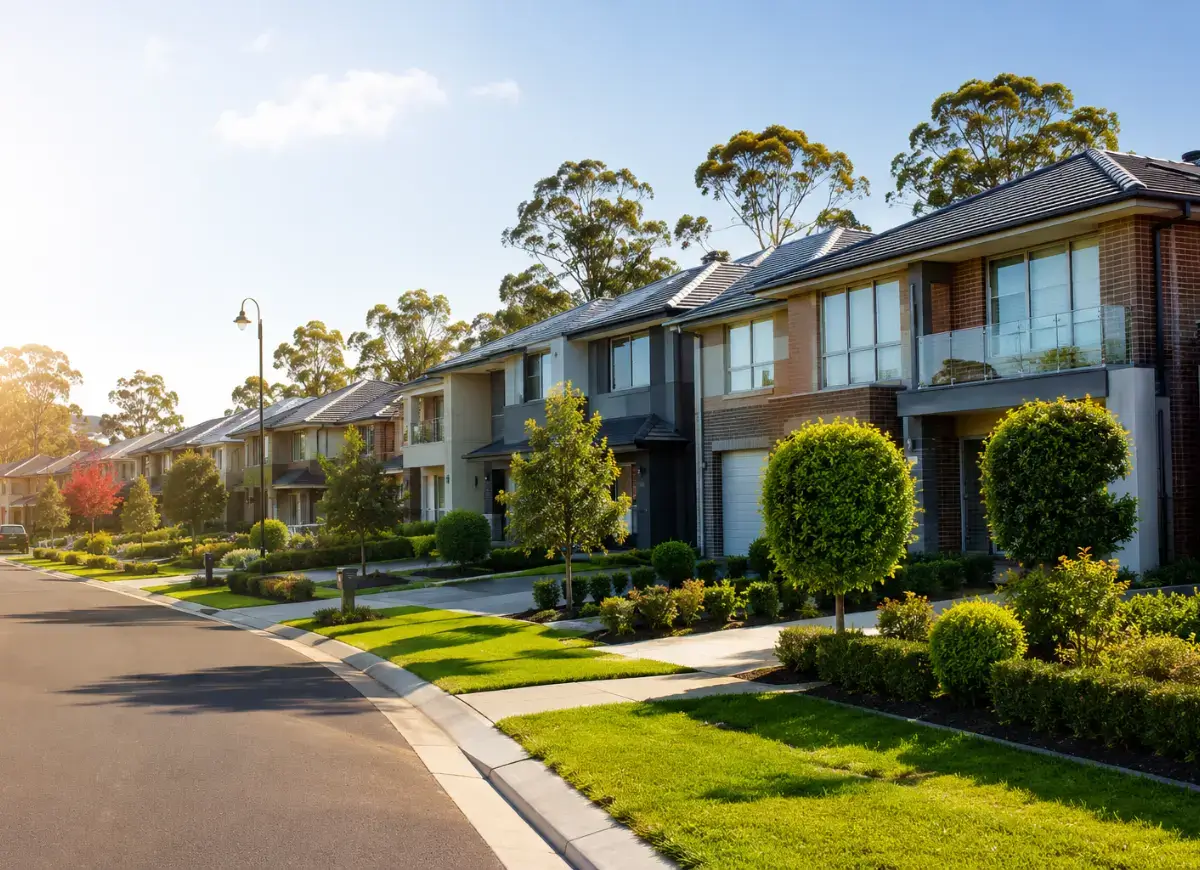
Mortgage broker arranging a new home loan in Clyde

What We Handle in Clyde

Three scenarios account for nearly every enquiry we take from this part of the south-east.

01

A first home and a first build at once

Common here, and it means learning two processes simultaneously. We confirm which schemes you qualify for, work out the genuine cash required, and set out how repayments behave through the build while rent is still going out.


02

Upgrading within the corridor

Families who bought early in the growth of the area often build again nearby, larger. Equity from the first house usually funds it, and the sequencing of sale and build needs planning.

03

Buying a completed home

Not every purchase is a build. Spec homes and resales are a conventional single settlement, and we compare the panel on rate and features the same way we would anywhere.

What the Build Contract Does and Does Not Cover

The contract price is not the cost of moving in, and the gap catches out most first-time builders:

Item Usually in the contract?
Structure, roof and internal fit-out Yes
Site costs on a difficult block Sometimes, and sometimes billed later
Driveway and fencing Often not
Landscaping Often not
Window furnishings and clothesline Rarely
Upgrades chosen at colour selection No, these are added as variations

This table is a general guide only. Policies differ by lender, by your circumstances and by the property, and they change over time, so treat it as a starting point rather than a quote.

The Real Cost of Getting In

Buyers focus on the deposit, then find the other numbers. Land deposit at signing, builder’s deposit, conveyancing, loan fees, then the items sitting outside the build contract: fencing, driveway, landscaping, blinds, a clothesline and a letterbox.

We put together a full cash-to-complete figure from your actual contracts before you commit, so you know what needs to be in the account and when. It is less interesting than choosing a facade and considerably more useful.

What Lenders Check on a Build

Four things matter most when the security is a house that does not exist yet.

01

The fixed-price contract and builder

Lenders want a fixed-price contract with a licensed, insured builder plus plans and permits before committing to anything.

Volume builders operating in the estates are well known to credit teams. Unfamiliar builders, cost-plus contracts or owner-builder projects narrow the field sharply.

02

On-completion valuation

The loan is calculated on the valuer’s assessment of the finished property, based on the land plus the building contract, rather than on the price you agreed.

In estates with heavy supply, that figure can land below the combined cost, and the shortfall is payable in cash.

03

Scheme eligibility and price caps

Guarantee schemes carry income tests, prior ownership rules and property price limits measured against the combined land and build cost.

We verify eligibility against current rules before contracts are signed, since a problem found later usually means a much larger deposit.

04

Servicing rent and construction together

Most buyers here rent while the house is built, so lenders assess whether you can carry rent alongside rising construction interest, then service the completed loan on principal and interest. That overlap is where applications tighten, and lenders differ noticeably in how they treat rental commitments and living expenses. Matching you to one that reads your situation fairly is often what decides the outcome.

Other Loans We Arrange

Once you are settled, these are the other areas our brokers can help with.

First Home Buyers

First Home Buyers

Deposit planning, government schemes and a realistic borrowing figure.

Investment Loans

Investment Loans

Investment lending built around rent, negative gearing and long-term plans.

SMSF Loans

SMSF Loans

Limited recourse borrowing for property held inside your SMSF.

Refinance

Refinance

Refinancing to cut the rate, free up equity or tidy up other debts.

Why Clyde Buyers Use a Broker

Four things that make a difference when you are building rather than buying.

01

Not tied to the display village

We have no arrangement with any builder or land developer, so the lender we put forward is chosen on rate, features and approval likelihood rather than a referral fee.

02

Drawdowns actively managed

Each progress payment is coordinated with your builder and the lender, so trades are paid on schedule and the build is not sitting idle waiting on an inspection.

03

Schemes checked against current rules

Income limits, caps and eligibility criteria change. We verify your position against what applies now rather than what applied when someone last mentioned it.

04

Clear about our fees

The lender pays us an upfront and trail commission once your loan settles, and it does not typically change your rate or fees. Any fee for service is disclosed in writing first.

Ready to Build in Clyde?

Send us your contracts and income details, and we will confirm your scheme eligibility, the cash you need and what the repayments look like. Call us on 1300 562 696.

Contact Us

Other Suburbs We Cover

Our brokers work across the south-east and greater Melbourne. Have a look at the areas below, or go back to the Melbourne mortgage broker page.

Frequently Asked Questions (FAQs)

How do repayments work while my Clyde house is being built?

You pay interest only on the amount drawn down so far. Once the land settles, that is interest on the land alone. As each construction stage is paid, the drawn balance and the repayment increase, reaching their highest point near completion. After handover the loan generally converts to principal and interest on the full amount, which is a noticeable step up. We set out the figure at each stage before you commit.

What is not included in a typical build contract?

It varies by builder, but commonly excluded items include fencing, landscaping, driveways, letterboxes, clotheslines, window furnishings, air conditioning upgrades and sometimes site costs if the block is difficult. These add up quickly and are not usually funded by the construction loan. We work through the contract with you and build a realistic total so the gaps are known in advance.

Can I change my mind about upgrades once the loan is approved?

You can, but variations increase the contract price beyond the amount the lender approved. Unless you apply for an increase, which triggers a fresh assessment, the extra has to come from your own funds. Colour and fitting appointments are where budgets quietly blow out, so it is worth knowing your ceiling before that meeting rather than after.

How long will the whole process take?

Land titles in a new estate can take months to register before settlement, and construction usually runs six to twelve months afterwards depending on the builder and the weather. From signing to keys, a year or more is realistic. Construction loans allow a set build period, commonly twelve months, with extensions available where a build overruns. We manage that with the lender if it becomes necessary.

Is it cheaper to build than to buy an established home?

It depends. Building usually means stamp duty on the land only rather than the full property value, and first home buyers may access grants for new homes, which reduces the upfront cost. Against that, you pay rent during construction and face the excluded items above. An established purchase costs more in duty but is immediate and certain. We can run both scenarios against your numbers.