
01
Two mortgages, not one
Where the coast house is a second home, the lender assesses both debts together at a buffered rate, whether or not the new property earns anything. Capacity, rather than deposit, is usually what sets the ceiling.
The Surf Coast is not a commuter belt with a beach attached. Across much of the shire, a substantial portion of the housing sits empty through winter and fills over summer, which shapes both the market and the lending. Buying here often means adding a property rather than replacing one, and that changes the assessment before anything else is considered.
Two other things follow from the geography. Bushfire risk is a genuine planning consideration through the bush-backed towns, which affects what a rebuild costs and what insurance runs to. And the local economy is seasonal, so a good share of borrowers here earn their income from hospitality, trades and tourism businesses that turn over far more in January than in June.
Loanworx is an independent finance broker covering the Surf Coast and the wider region, working from a broad lender panel rather than one institution’s credit policy.
Buying along the Surf Coast? Call 1300 562 696 and we will tell you which lenders will fund it and on what terms.

Three characteristics run through almost every application we handle across the shire.
Where the coast house is a second home, the lender assesses both debts together at a buffered rate, whether or not the new property earns anything. Capacity, rather than deposit, is usually what sets the ceiling.
Bushfire overlays affect what a rebuild must be built to, and the resulting insurance premiums are counted as a household expense in your assessment. It is a small line item that quietly reduces borrowing power.
Cafes, surf schools, trades and accommodation businesses do not earn in twelve equal instalments. Lenders differ considerably in how they read seasonal trading, and the right one makes a substantial difference.
Tell a lender the property will be a home, a weekender or a rental and you get three different answers:
| Intended use | How the lender reads it | Effect on the loan |
|---|---|---|
| Your permanent home | Owner-occupied | The broadest panel and the sharpest pricing |
| A weekender you do not let | A second home | Assessed alongside your existing mortgage |
| Let on a permanent lease | Investment | Rent recognised in part, priced as investment lending |
| Let to holidaymakers | Investment with seasonal income | Income heavily discounted or disregarded |
This table is a general guide only. Policies differ by lender, by your circumstances and by the property, and they change over time, so treat it as a starting point rather than a quote.
The single most consequential thing you tell a lender about a coastal property is how you intend to use it. A home you live in, a holiday house nobody rents, a property let permanently and one let to holidaymakers are four different propositions, priced and assessed differently.
That decision also has consequences beyond the loan, in land tax, insurance and how a valuer reads the property. We work through the implications with you before the application is lodged, so the structure suits what you actually plan to do rather than what seemed simplest to write on a form.
Four factors carry more weight here than they would on a suburban purchase.
Existing mortgages, the new loan and any investment debt are all tested at a buffer above the actual rates.
Where a coastal purchase is an addition rather than a replacement, this is almost always the binding constraint, so we test your position across the panel before you make an offer.
Short-stay returns are seasonal and variable, so lenders treat them cautiously and a number disregard them entirely.
Where income is recognised, expect a meaningful discount and a requirement for a documented history rather than a projection from an agent.
Bushfire overlays, steep or difficult access and distance from services all appear in a valuation and can attract conditions.
Higher insurance premiums also count as an expense in the servicing calculation, which reduces what you can borrow.
Coastal towns trade thinly, and in a street of individual houses a valuer may have very few genuinely comparable recent sales to work from. Thin evidence produces cautious figures, and because the lender advances against the lower of valuation and contract price, any shortfall is payable in cash. We plan for that possibility from the outset rather than treating it as an unwelcome surprise.
Whether the plan is a first purchase, an investment or a rebuild, these are the areas our brokers work in.

Getting a first purchase across the line, schemes included.

Buying the next place without carrying both any longer than needed.

Borrowing against a rental property, with the holding costs allowed for.

Rebuilds and new homes funded in stages, from slab to handover.

Using super to hold an investment property, structured correctly.

Reviewing your rate and structure, and switching where it pays.
Four reasons a broker earns their place on a purchase like this.
Not every institution is comfortable with holiday-area postcodes, second homes or seasonal income. We keep track of which are, and at what loan-to-value ratio, so your file goes somewhere predisposed to approve it.
Trading figures from a business with a summer peak need explaining in the terms a credit team recognises. We work from your accountant’s numbers and set them out accordingly.
If we think a property is likely to be assessed below the asking price, you will hear it while you can still act on it.
Lenders pay us an upfront and trail commission once a loan settles, without typically changing your rate or fees. Any fee for service is agreed in writing beforehand.
Send us the property details and an outline of your income, and we will confirm what can be borrowed against it and by whom. Call us on 1300 562 696.
Our brokers cover the coast and the wider Geelong region. Choose an area below to see how we help buyers there.
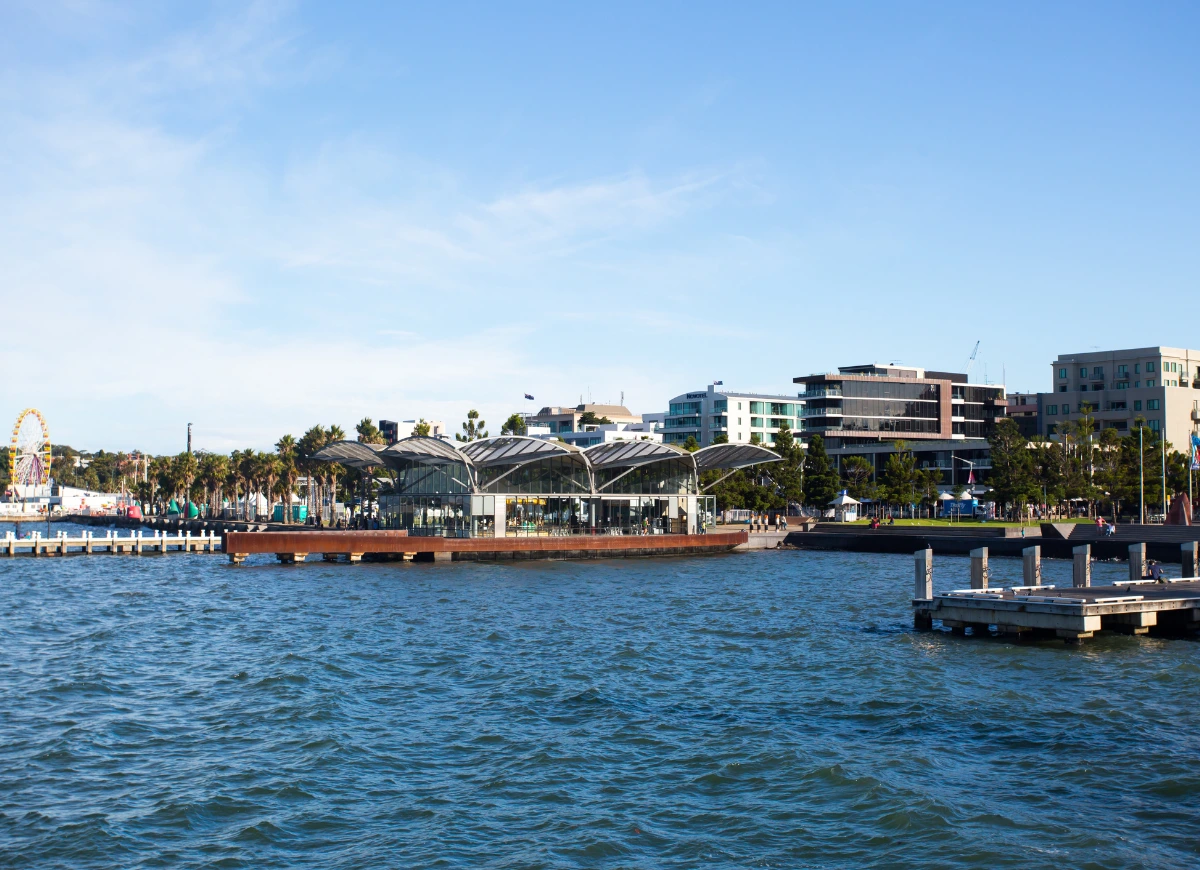
Victoria’s second city, from period Newtown homes to the Armstrong Creek estates.

The one Surf Coast town with a year-round market and constant new building.

Bush and beach, older holiday houses on big blocks, and plenty of rebuilds.

Steep hillside blocks above the Great Ocean Road, tightly held and rarely traded.
Often yes, though servicing both is usually what decides it rather than your deposit. The lender assesses each mortgage at a buffered rate, and any holiday letting income is treated cautiously or ignored. Equity in your existing home can fund the deposit and costs. We work out the combined position first so you know your genuine ceiling before you start looking.
Rarely on its own. Overlays are a normal feature through much of the shire and lenders are used to seeing them. They become significant when you are building or substantially renovating, because the required construction standard adds cost that the lender expects to see reflected in a fixed-price contract. Insurance premiums are typically higher too, and those count as an expense in your assessment.
Cautiously. Because returns are seasonal and depend on occupancy, many lenders disregard short-stay income entirely, and those that recognise it apply a substantial discount and want a documented history rather than an agent’s projection. If your ability to service the loan depends on holiday letting, that materially narrows the lenders available, so it is worth testing early.
Yes, though the lender you choose matters more than it would for a salaried applicant. Most want two years of financials and will average income across them to allow for the seasonal pattern, and add-backs such as depreciation and additional superannuation can lift the assessable figure considerably. Some lenders handle trading businesses well while others are notably conservative.
Yes, in several ways. An owner-occupied purchase generally attracts the broadest lender panel and the sharpest pricing. A second home is assessed alongside your existing mortgage, and an investment property is priced differently again with rental income shaded. How you intend to use the property should be settled before the application is lodged, because it drives both the product and the lender.


