First home, first build
For many buyers here it is both at once. We check which schemes you qualify for, what deposit is genuinely required once the grants are counted, and how the repayments behave through the build while you are still paying rent.

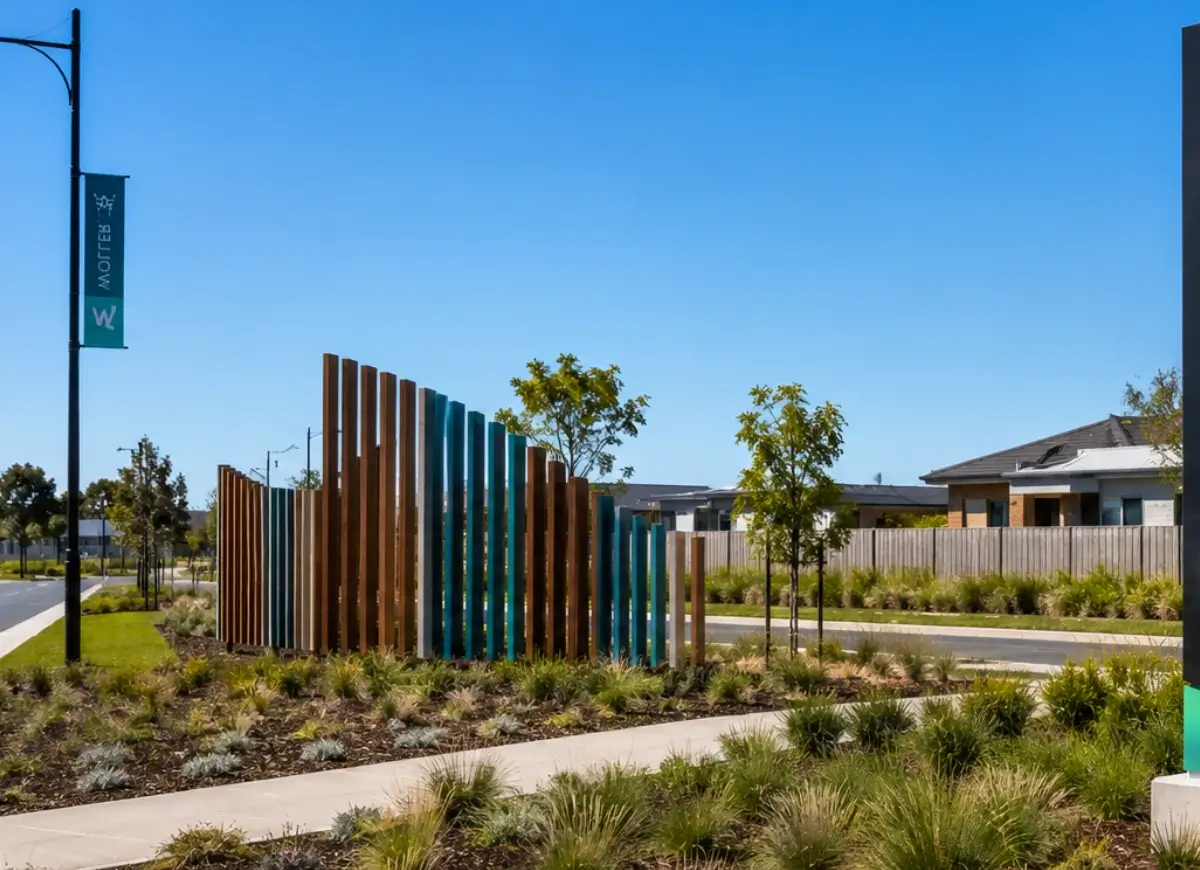
Wollert went from paddocks to one of the busiest growth suburbs in the state inside a decade. Estate after estate has opened up, drawing young families and first home buyers who want a brand-new house without paying inner-suburban prices. Because so much of it is new, the finance conversation here is dominated by construction lending and by the government schemes that make a first purchase possible.
Both reward getting the detail right. Construction loans work differently to a standard mortgage: money is released in stages as the house goes up, and you pay interest only on what has been drawn. The schemes have income limits, price caps and eligibility rules that shift periodically, and missing one can cost you the deposit advantage entirely.
As an independent finance broker operating across Melbourne and the northern corridor, we compare the whole panel rather than the one lender the estate office suggests.
Building in Wollert? Call 1300 562 696 or send us your land and build contracts and we will work out the finance.

Almost every enquiry from this suburb involves one of these three situations.
For many buyers here it is both at once. We check which schemes you qualify for, what deposit is genuinely required once the grants are counted, and how the repayments behave through the build while you are still paying rent.

Buying a block ahead of the build is common, and it means settling the land first with construction funded afterwards. The gap between the two needs planning so you are not carrying land debt longer than necessary.
Not everything in Wollert is a build. Completed townhouses and spec homes are a straightforward purchase, though smaller dwellings can attract tighter lending policy that is worth checking first.
Repayments are only part of the picture while the house is going up, so it helps to see the whole outlay:
| Cost | When it falls due |
|---|---|
| Land deposit | On signing the land contract |
| Builder’s deposit | On signing the build contract |
| Stamp duty | At land settlement, usually on the land value |
| Construction interest | Monthly, increasing with each drawdown |
| Rent elsewhere | Throughout the build |
| Fencing, landscaping and window furnishings | After handover, often outside the contract |
This table is a general guide only. Policies differ by lender, by your circumstances and by the property, and they change over time, so treat it as a starting point rather than a quote.
Repayments on a construction loan start low and climb. Once the land settles you pay interest on that amount only. As each stage is drawn, the balance grows and so does the repayment, until the house is finished and the loan converts to principal and interest on the whole amount.
That matters when you are renting at the same time. We set out the repayment at each stage before you commit, so the squeeze at lockup is something you have already budgeted for rather than a surprise.
Four things carry the most weight when the security is a house that has not been built yet.
Government guarantee schemes carry income tests, property price limits and rules about prior ownership, and the combined land and build cost is what counts against the cap.
We confirm eligibility against the current rules before you sign anything, because discovering a problem later usually means finding a much larger deposit.
Lenders want a fixed-price build contract with a licensed builder plus plans and permits before committing.
Variations added after approval can push the cost above the approved amount, and the shortfall comes out of your pocket, so keep changes to a minimum once the loan is set.
The loan is calculated on the valuer’s assessment of the finished property based on land plus contract, not on what you have agreed to pay.
In estates with heavy supply, that figure sometimes lands under the total cost, which is worth anticipating.
Most buyers here are renting while the house goes up, so the lender tests whether you can manage rent alongside rising construction interest, then service the completed loan on principal and interest afterwards. Where that overlap is tight, the choice of lender makes a real difference, since assessment of rental commitments and living expenses varies noticeably across the panel.
Beyond your first build, these are the other loans our brokers arrange.
First-time buying made clearer, from deposit to keys.
Finance for the second, third or fourth home, sequenced around your sale.
Borrowing for a rental property, with the yield and tax picture factored in.
House-and-land and knockdown rebuilds, funded progressively.
Super fund borrowing to buy residential investment property.
Moving your loan somewhere better, or reshaping the one you have.
Four things that matter when you are building your first home.
Eligibility criteria and price caps change, and estate sales staff are not responsible for getting them right. We verify your position against the current rules before you commit.
We are not tied to a builder or an estate, so the lender we recommend is chosen on rate, features and approval likelihood rather than on a referral arrangement.
Each drawdown is coordinated with your builder and the lender so the trades are paid on time and the build is not waiting on paperwork.
The lender pays us an upfront and trail commission once your loan settles, and it does not typically change your rate or fees. A fee for service, where it applies, is disclosed in writing first.
Send us your income details and the land and build figures, and we will confirm your scheme eligibility, your capacity and the likely repayments. Call us on 1300 562 696.
Our brokers cover the northern corridor and greater Melbourne. Have a look through the suburbs below, or go back to the Melbourne mortgage broker page.
The Peninsula’s main town, from village cottages to bayside family homes.
Premium coastal living on generous blocks, with price points to match.
Leafy bayside prestige, established homes and long-term family addresses.
The exclusive tip of the Peninsula, weekenders and prestige coastal houses.
Larger blocks and leafy streets at the gateway to the Peninsula.
Bayside estates, marina apartments and plenty of new construction.
Mudbrick, timber and architect-designed homes among the gum trees.
A small bushland pocket of large blocks and semi-rural quiet.
A family town on the green wedge fringe, with schools and a village centre.
Acreage, hobby farms and horse property within reach of the city.
An established northern hub with retail, transport and a growing estate belt.
Master-planned estates and young families in the outer north.
The northern frontier, where first-home builds are still going up.
A country township at the city’s edge, with farmland all around it.
Paddocks, hobby farms and genuine space in Melbourne’s far north.
New estates spreading across former farmland in the outer south-east.
A south-east centre mixing older homes with newer growth pockets.
A historic village, good schools and leafy streets in the south-east.
Estate streets below the highway, hills and lifestyle blocks above it.
A busy established suburb around Fountain Gate, with stock at every price.
Frequently, yes. Government guarantee schemes let eligible first home buyers proceed with a much smaller contribution and without lenders mortgage insurance, subject to income tests, property price caps and prior ownership rules. Building also means stamp duty is generally calculated on the land value alone rather than the completed home, which reduces the cash needed at settlement. We confirm exactly what applies to you against the current rules.
They are two separate transactions. The land settles first, typically once titles are registered, and from that point you are paying interest on the land portion. The building contract then runs separately, with the lender releasing funds in stages as construction progresses. Both are usually approved together as one facility, but they settle at different times, which affects when repayments start.
Variations increase the contract price, and the lender approved a specific amount based on the original fixed-price contract. Unless you go back for an increase, which means a fresh assessment, the extra cost has to be paid from your own funds. Upgrades chosen at the colour selection appointment add up quickly, so it is worth knowing your limit before that meeting.
Sometimes. Lenders apply minimum size requirements, and dwellings with a small internal floor area can attract reduced loan-to-value ratios or fall outside policy altogether. Developments with a high concentration of similar stock can face additional restrictions. It rarely prevents a purchase, but it does narrow the field, so we check the specific property against policy before you sign.
Land titles often take months to register before settlement can occur, and construction commonly runs six to twelve months after that, depending on the builder and the weather. From signing contracts to holding keys, a year or more is realistic. We arrange the finance to fit that timeline and manage extensions with the lender if the build runs beyond the agreed construction period.