Mortgage Broker Eden Park

Finance for Eden Park, a small rural pocket of paddocks and hobby farms in Melbourne’s far north where standard home loan rules stop applying.

Contact Us

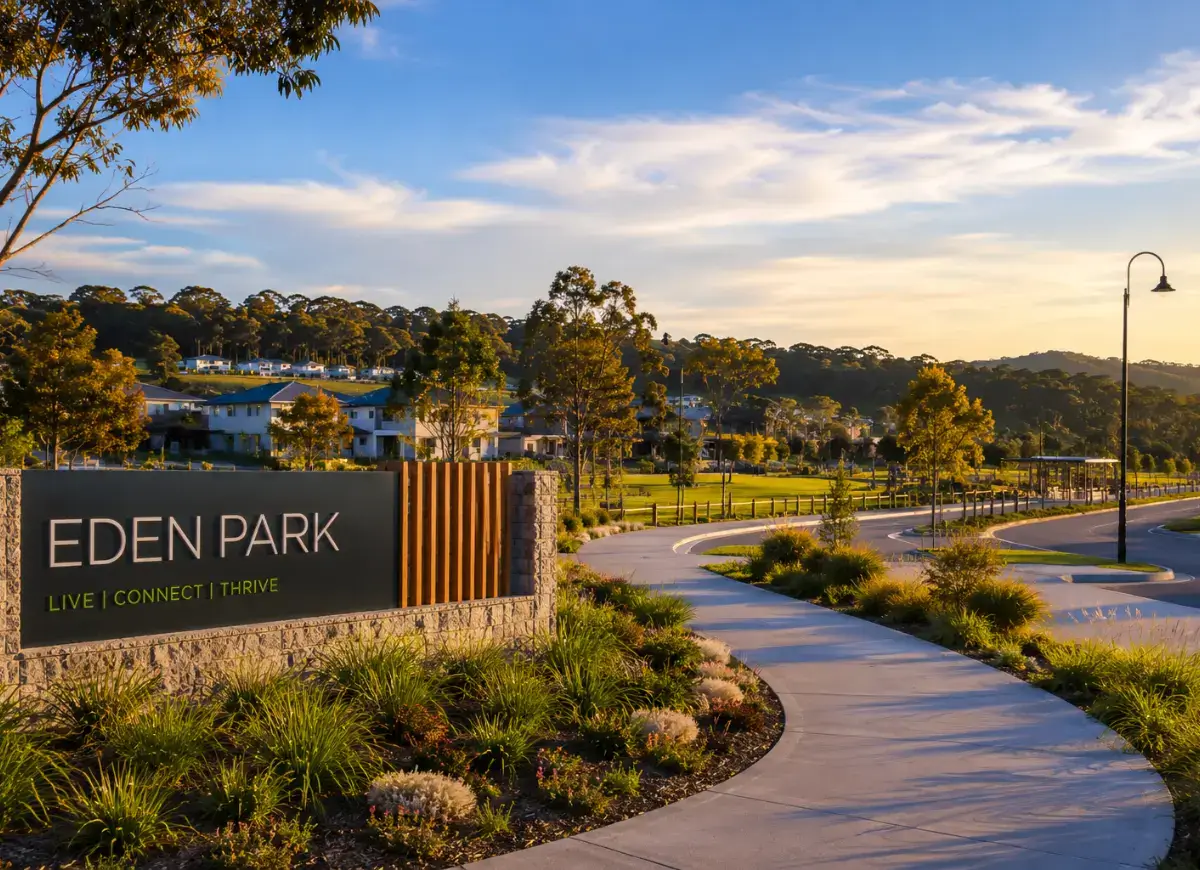
Eden Park is farmland with houses on it. A scattering of properties along country roads north of Whittlesea, mostly acreage, hobby farms and lifestyle holdings for people who want genuine space and are prepared to drive for it. Sales are infrequent and each property is different from the last.

That makes for a specific kind of lending. Land size almost always pushes these properties into rural residential policy, which reduces the maximum loan-to-value ratio and shortens the list of lenders considerably. The scarcity of comparable sales means valuations arrive cautiously. Neither is an obstacle when planned for, and both are expensive surprises when they are not.

As an independent finance broker serving Melbourne and the northern corridor, we work out what a property will actually support before you commit to buying it.

Looking at a property in Eden Park? Call 1300 562 696 or send us the details and we will tell you what is achievable.

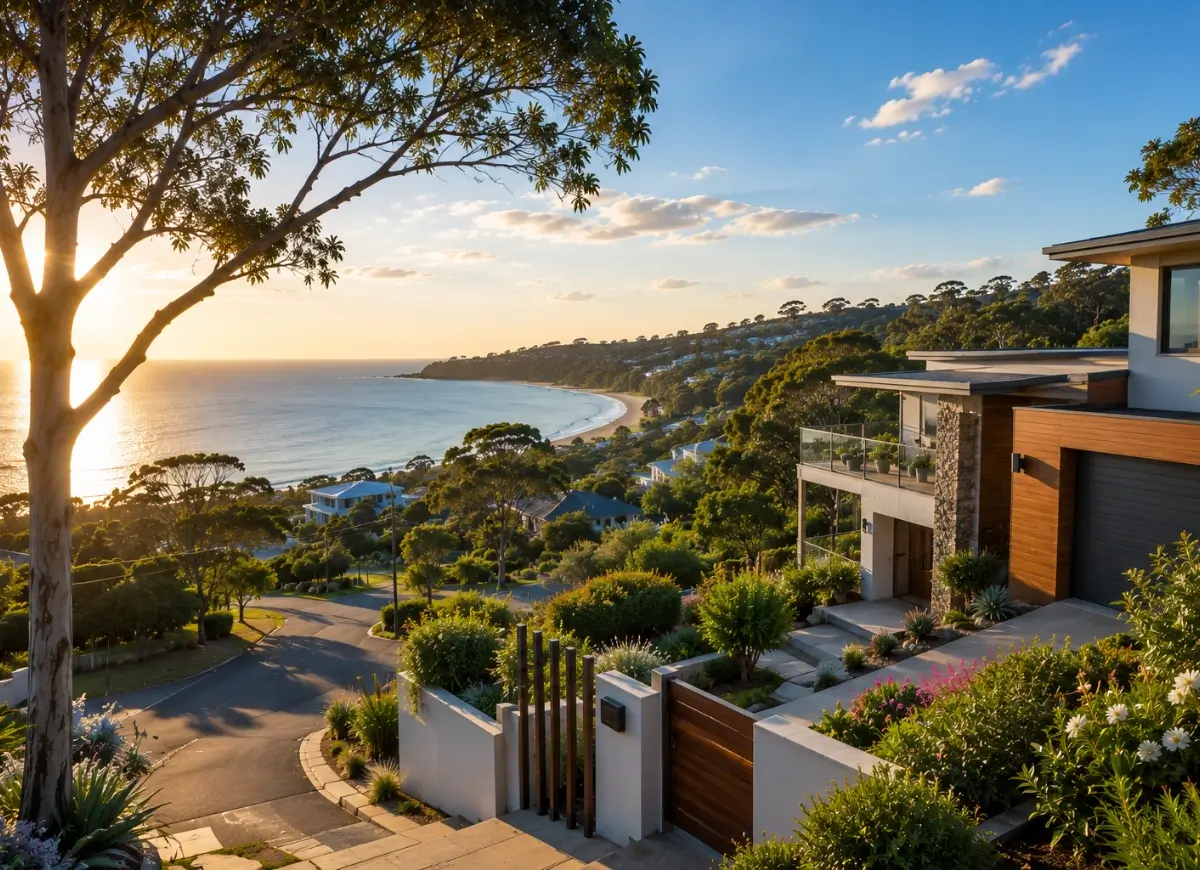
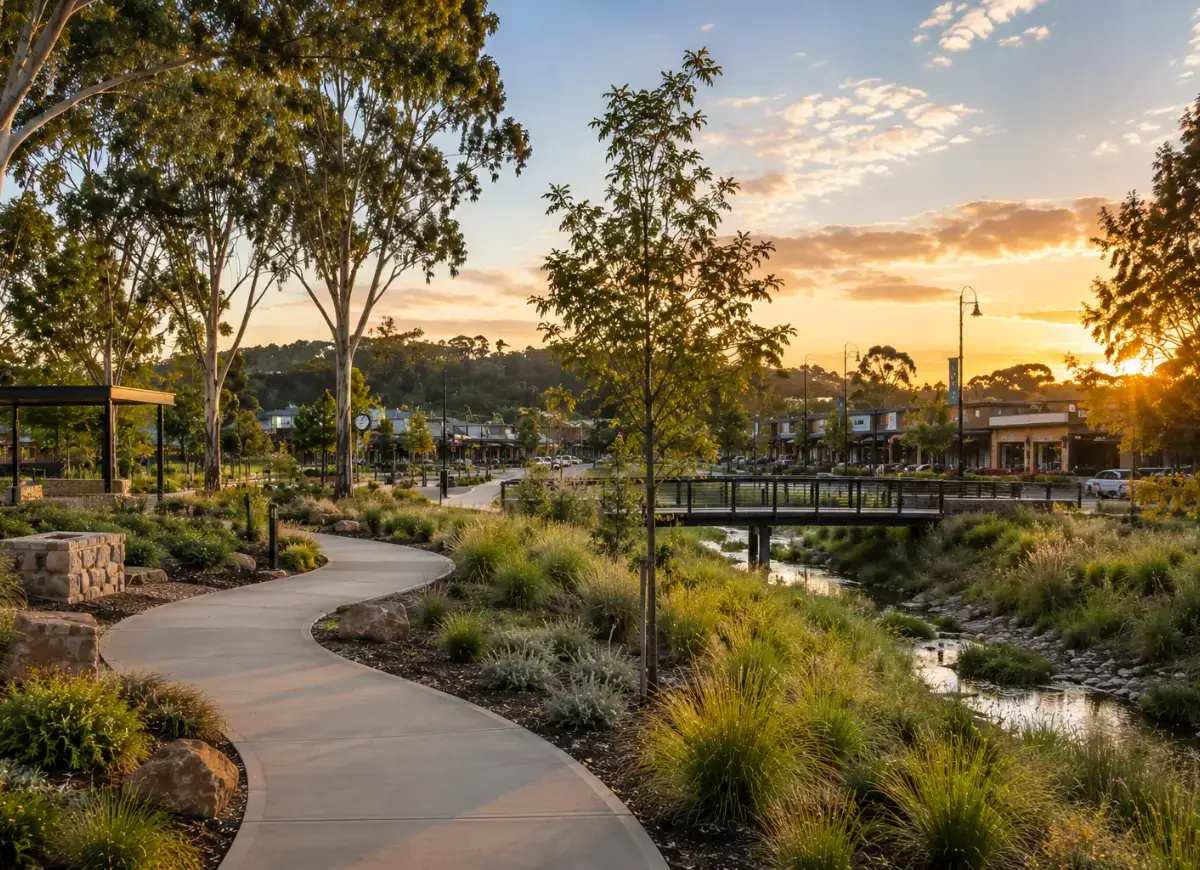
Mortgage broker arranging finance for a rural property in Eden Park

Lending on Rural Property

Three realities shape every application we handle in this part of the north.

01

Bigger deposits are the norm

Under rural residential policy, most lenders cap the advance at 70 to 80 per cent of value. That means 20 to 30 per cent from your own funds or equity elsewhere, which is a very different plan to a 10 per cent suburban deposit.


02

Valuations arrive cautiously

With few sales and no two properties alike, valuers have limited evidence and tend towards conservative figures. Since the loan is based on the lower of price and valuation, that gap comes out of your pocket.

03

The lender list is short

Plenty of institutions simply will not write this business. Knowing which will, and at what ratio, saves weeks of applications and avoids unnecessary marks on your credit file.

What Shapes a Rural Approval

Five things carry most of the weight on a property like this, and only one of them is about you:

Factor Effect on what you can borrow
Area recorded on the title Determines which policy applies
Zoning Some zones are excluded outright by certain lenders
Comparable sales nearby Thin evidence produces cautious valuations
Improvements such as sheds Usually add less than they cost to build
Your income and commitments Must service comfortably with the few lenders available

This table is a general guide only. Policies differ by lender, by your circumstances and by the property, and they change over time, so treat it as a starting point rather than a quote.

Knowing the Number Before You Bid

The worst outcome on a rural purchase is signing a contract and then finding the lender will only advance 70 per cent of a valuation that came in below the price. Suddenly the deposit required has grown by a six-figure sum with a settlement date already fixed.

We work backwards from the property: the land area, the zoning, the likely valuation approach and each lender’s limits, and give you a realistic maximum before you make an offer. It is far easier than solving the problem afterwards.

How These Applications Are Assessed

Four factors govern what a lender will do with a rural property.

01

Total area on the title

Land size is the first and most decisive filter, determining whether residential or rural residential policy applies and what maximum ratio is available.

We take the area from the title rather than the listing, since the difference between the two occasionally matters.

02

Zoning and permitted use

Farming, rural conservation and green wedge zones each carry restrictions, and some lenders decline particular zones as a matter of policy.

Zoning also governs what can be built or run on the land, which is worth confirming before you buy rather than after.

03

Valuation and comparable evidence

Infrequent sales and dissimilar properties produce conservative valuations, and improvements such as sheds and yards typically contribute far less than they cost.

We plan for a figure below the contract price rather than hoping otherwise.

04

Servicing and income documentation

Capacity is assessed conventionally against a buffered repayment, but where income derives from the land, a business or seasonal work, lenders want more documentation and read it more cautiously. With the property already limiting the panel, your income needs to service comfortably with the lenders that remain available, so both sides are tested together before anything is lodged.

Other Lending We Handle

Rural clients often need more than one facility. These are the other areas we arrange.

Investment Loans

Investment Loans

Borrowing for a rental property, with the yield and tax picture factored in.

SMSF Loans

SMSF Loans

Super fund borrowing to buy residential investment property.

Refinance

Refinance

Moving your loan somewhere better, or reshaping the one you have.

What We Bring to a Rural Purchase

Four reasons to involve a broker before you make an offer rather than after.

01

Accurate numbers before you commit

You will get a realistic maximum loan and deposit figure based on the actual property, not a generic pre-approval that assumes suburban lending rules.

02

A panel that includes rural lenders

Our accreditations extend to second-tier banks and non-bank funders who write rural residential lending as ordinary business rather than as an exception.

03

Valuation expectations managed

We tell you what a valuer is likely to have to work with, so a cautious figure is anticipated and, where genuinely unsupported, we know how to request a review.

04

Transparent remuneration

Lenders pay us an upfront and trail commission after settlement, which does not typically change your rate or fees. Any fee for service is agreed in writing beforehand.

Considering a Property in Eden Park?

Send through the title and property details along with your financial position, and we will tell you what can be borrowed and by whom. Call us on 1300 562 696.

Contact Us

Other Areas We Cover

Our brokers arrange finance across the north and greater Melbourne. Browse the areas listed below, or return to the Melbourne mortgage broker page.

Frequently Asked Questions (FAQs)

How much deposit will I need for an Eden Park property?

Usually 20 to 30 per cent of the value, since rural residential policy typically caps the loan at 70 to 80 per cent. That contribution can come from savings or from equity in another property. Because the lender advances against the lower of the valuation and the purchase price, a conservative valuation increases the requirement further. We calculate a realistic figure for the specific property before you make an offer.

Why will fewer lenders consider a rural property?

Land takes longer to sell than a suburban house and the buyer pool is smaller, so lenders view it as harder security to realise if something goes wrong. Many respond by capping land size, restricting zones or declining rural lending altogether. Those that do participate apply lower maximum ratios. It is a policy position rather than a judgement on you or the property.

Do improvements like sheds and yards increase the valuation?

Rarely by what they cost. Valuers work from comparable sales, and specialised infrastructure appeals to a narrow pool of buyers, so it typically adds a fraction of its build cost to the assessed value. A property with a modest house and extensive improvements can value well below the total spent on it, which is worth understanding before you buy rather than afterwards.

Can I use equity in another property instead of cash?

Yes, and it is often the most practical route given the deposits involved. Equity released from a property you already own can fund the contribution and costs on the rural purchase, with the balance secured against the new property. We set the loans up as separate splits where possible, so the two properties are not tied together and either can be sold or refinanced independently later.

Is it harder to refinance a rural property later?

It can be, simply because the same policy constraints apply whenever you approach a new lender. The pool willing to take on the security remains limited, so competition for your business is narrower than on a suburban home. That is another reason to get the initial structure right, and we review rural clients’ positions periodically to see whether a better option has opened up.