
01
Homes inside the township
Conventional blocks with mains services, assessed as standard residential. The full lender panel is available, first home buyer schemes apply, and the process is no different to any suburban purchase.
Whittlesea is a country town that happens to sit inside greater Melbourne. The main street has the pub, the bakery and the show that comes around each February, while beyond the town boundary the land opens into paddocks and grazing country running up towards the ranges. Buyers come for the pace and the space, and stay for the same reasons.
For lending purposes, that township boundary matters more than you might think. A house on a standard block in town is assessed like any other suburban purchase. Cross onto a larger parcel and the loan is likely to fall under rural residential policy, with a lower maximum loan-to-value ratio and a much shorter list of participating lenders.
Loanworx is an independent finance broker covering Melbourne and the northern corridor, and we sort out which category your property falls into before an application goes anywhere.
Buying in or around Whittlesea? Ring 1300 562 696 or send us the property details and we will confirm what is possible.
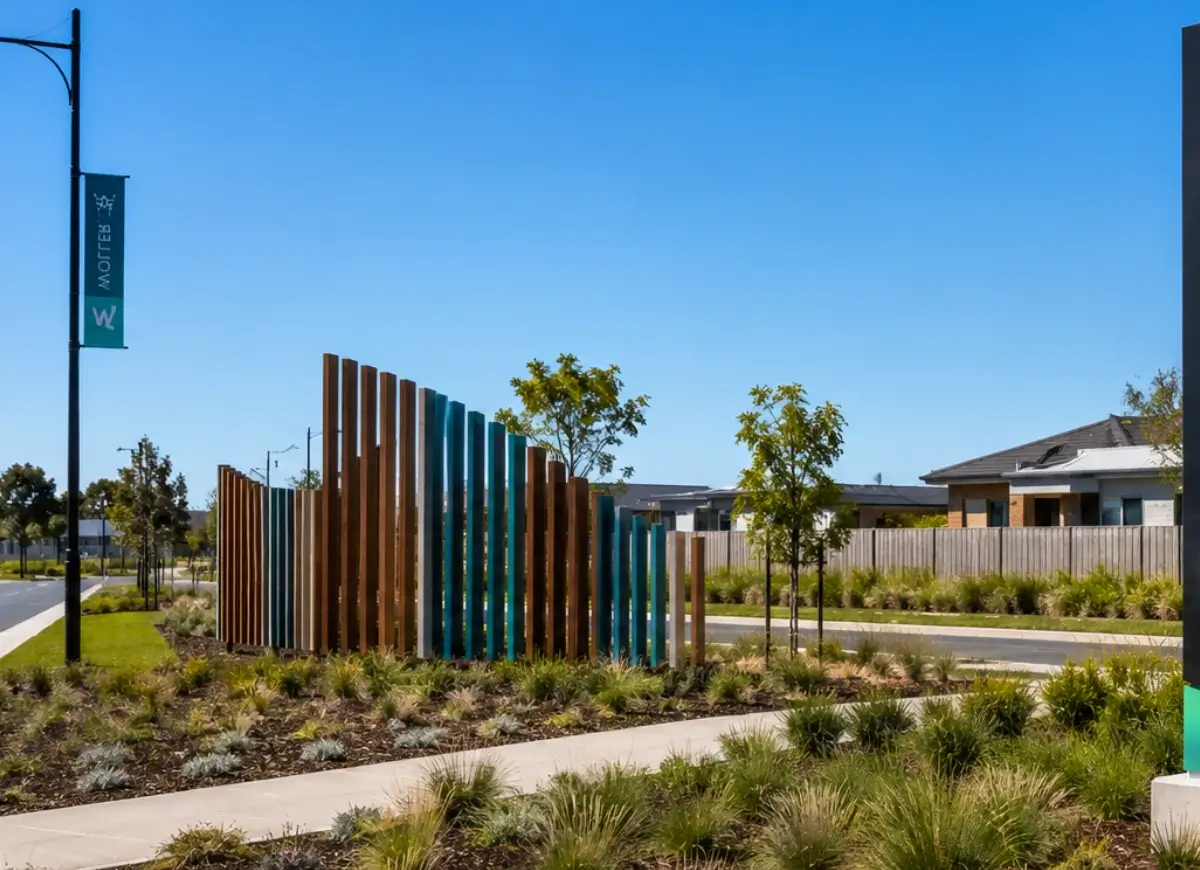
Where the property sits relative to the township changes the lending considerably. Here is how it breaks down.
Conventional blocks with mains services, assessed as standard residential. The full lender panel is available, first home buyer schemes apply, and the process is no different to any suburban purchase.
Larger parcels bring rural residential policy into play, typically capping the loan at 70 to 80 per cent of value. Zoning, access and water supply all become part of the assessment.
Where a property carries genuine agricultural activity and income, some lenders shift it into rural or agribusiness lending, with different products, documentation and terms.
Which side of the town edge a property sits on does more to the loan than the suburb name does:
| Where the property is | Usual treatment | Deposit implication |
|---|---|---|
| A standard block in the township | Ordinary residential lending | As little as the schemes allow |
| A larger parcel just outside | Rural residential rules apply | Typically 20 to 30 per cent |
| Working farmland | Rural or agribusiness lending | Assessed separately again |
This table is a general guide only. Policies differ by lender, by your circumstances and by the property, and they change over time, so treat it as a starting point rather than a quote.
The most useful thing we do for buyers around Whittlesea is establish early whether a property will be treated as residential or rural residential, because the answer determines the deposit you need.
It comes down to land area, zoning and how the land is used, and it is determined from the title rather than the advertisement. Once we know, we can tell you the realistic loan-to-value ratio and which lenders are worth approaching.
Four factors decide the outcome on a Whittlesea application, and the first one drives the rest.
Each lender sets a maximum area for standard residential treatment, and farming or rural conservation zoning can restrict the panel further regardless of size.
We confirm both from the title and the planning certificate rather than relying on the listing description.
Mains water and sewerage in the township are straightforward. Properties on tank water, septic systems or unsealed roads are common outside it and generally accepted, though they do feature in the valuation.
Where access is genuinely difficult, a handful of lenders become uncomfortable.
Rural and semi-rural sales are infrequent and rarely comparable, so valuations tend to be conservative.
Because the lender advances against the lower of price and valuation, a shortfall increases the cash you need at settlement.
Servicing is assessed as it would be anywhere, against a buffered repayment after household expenses and existing commitments. Where income comes from farming, a small business or seasonal work, documentation requirements increase and lenders vary in how they treat it. With the property already narrowing the panel, capacity has to work with the lenders that remain, so we assess both together.
From a first home in town to an investment or a build, these are the other loans we arrange.

First-time buying made clearer, from deposit to keys.

Finance for the second, third or fourth home, sequenced around your sale.

Borrowing for a rental property, with the yield and tax picture factored in.

House-and-land and knockdown rebuilds, funded progressively.

Super fund borrowing to buy residential investment property.

Moving your loan somewhere better, or reshaping the one you have.
Four practical reasons to have a broker involved on a semi-rural purchase.
Knowing whether a property is residential or rural residential before you make an offer means the deposit you plan for is the deposit you will actually need.
Our panel extends beyond the majors to second-tier and non-bank lenders, several of whom are considerably more comfortable with land than the big four.
Farming income, seasonal work, contracting and small business earnings are all familiar to our brokers, and we know which lenders read them most favourably.
The lender pays us an upfront and trail commission once the loan settles, and it does not typically change your rate or fees. Any fee for service is disclosed in writing beforehand.
Send us the title details and your income position, and we will confirm how the property will be assessed and what you can borrow. Call us on 1300 562 696.
We arrange lending across the north and throughout greater Melbourne. Choose a township or suburb below, or revisit the Melbourne mortgage broker page.
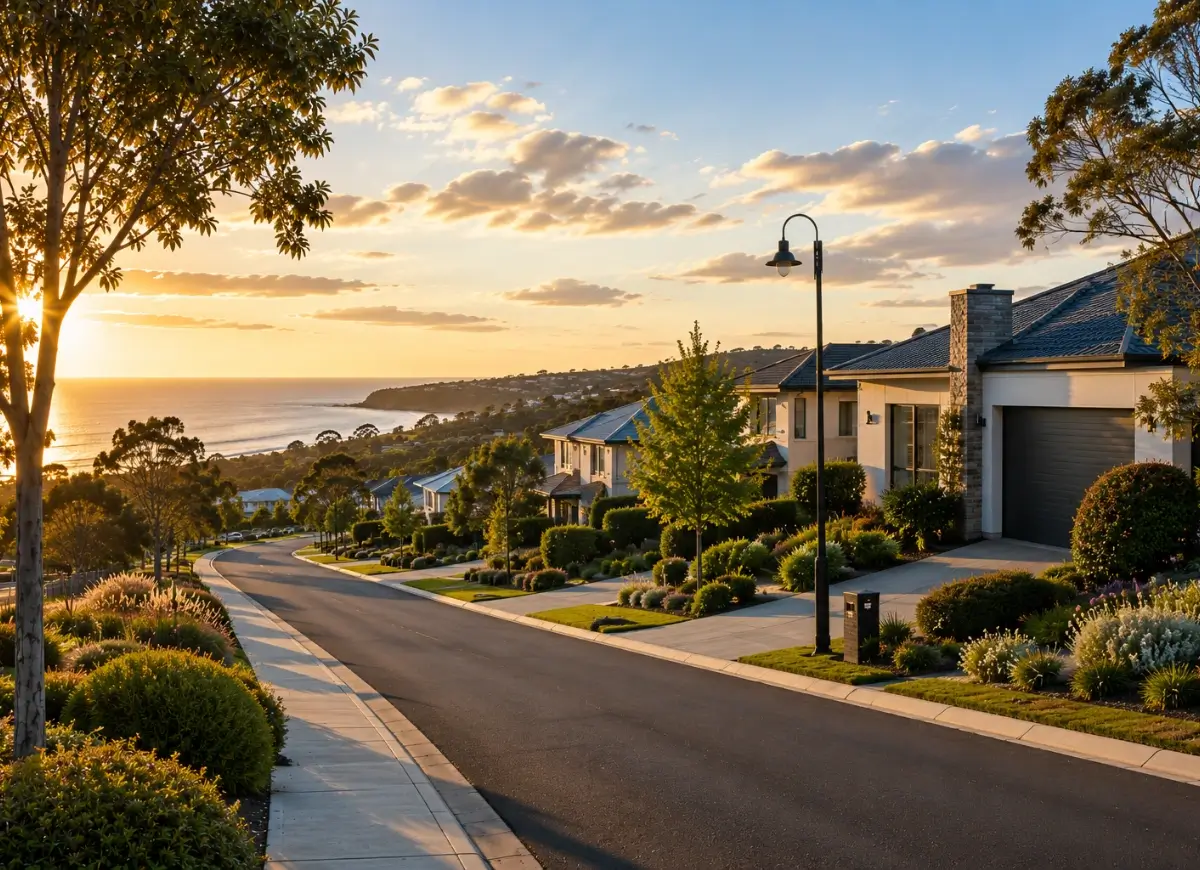
The Peninsula’s main town, from village cottages to bayside family homes.
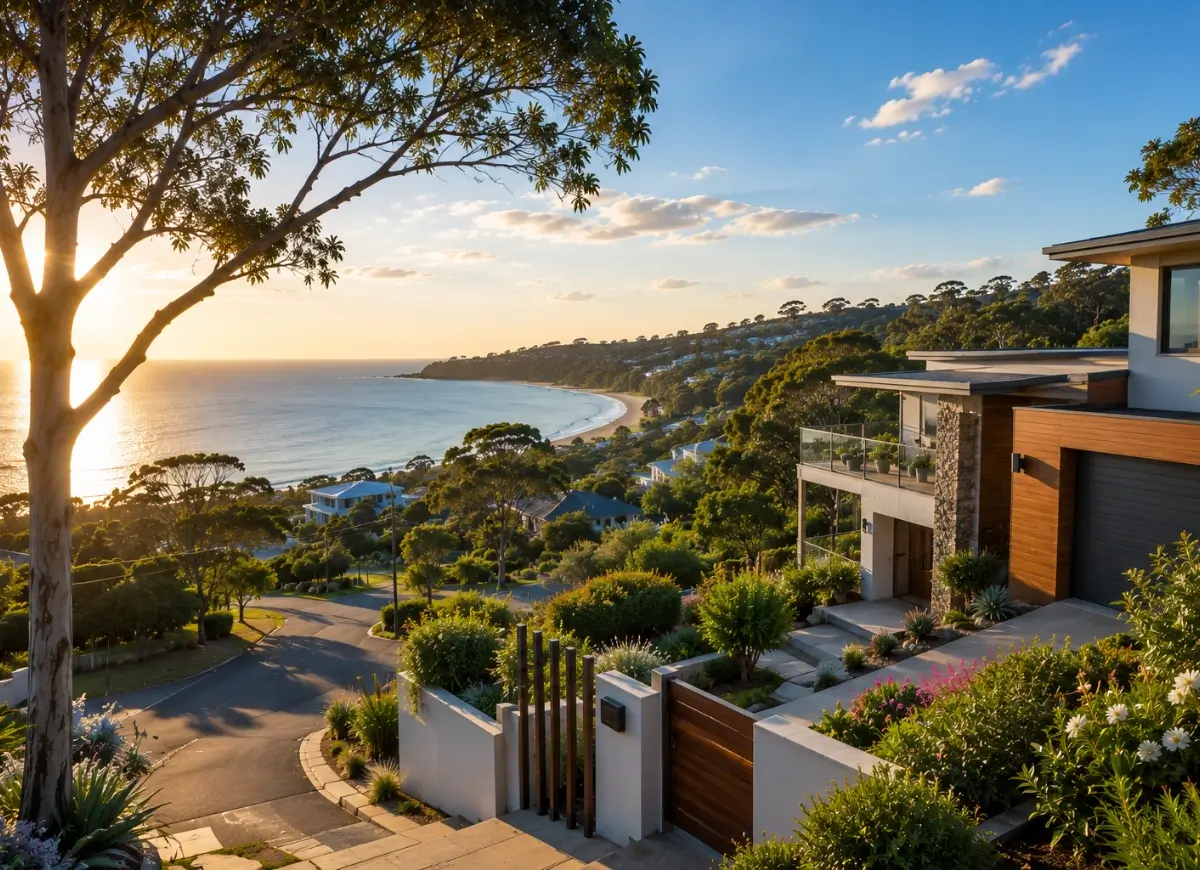
Premium coastal living on generous blocks, with price points to match.
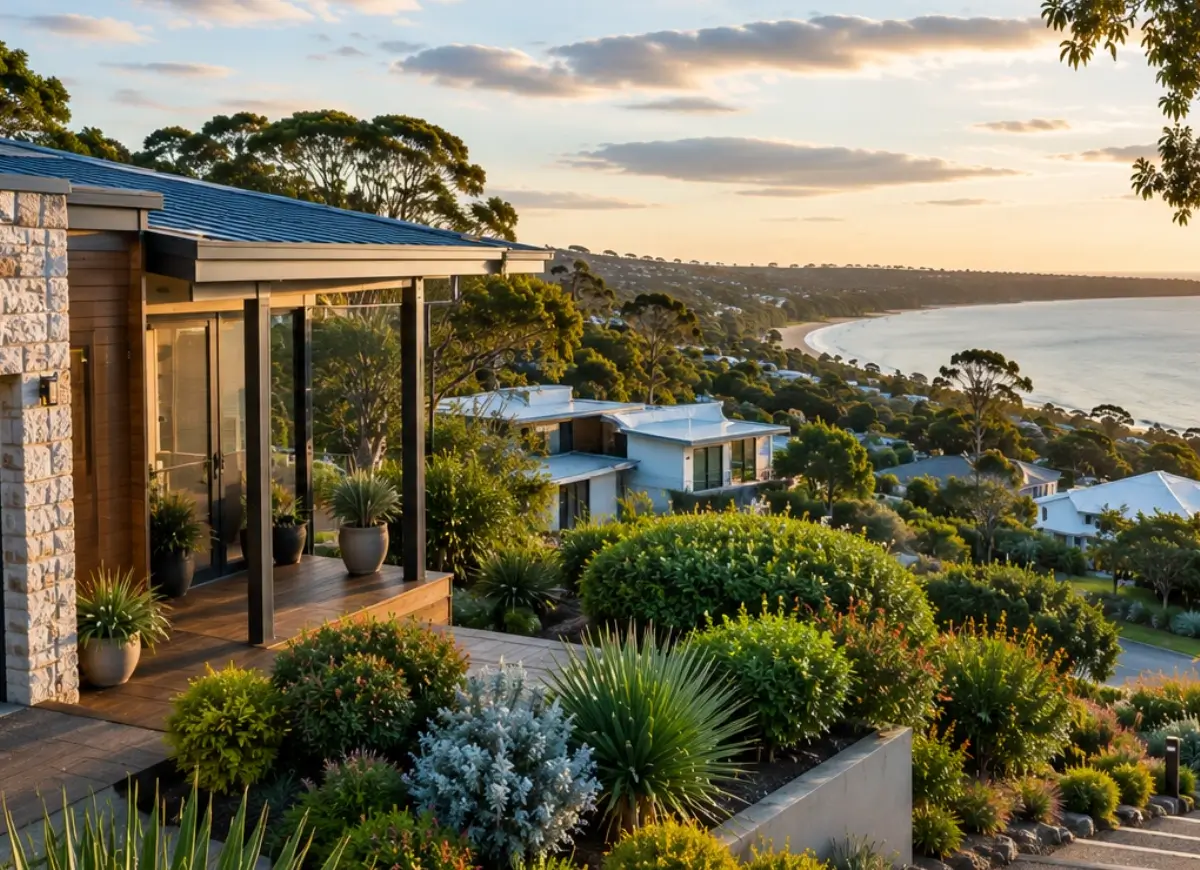
Leafy bayside prestige, established homes and long-term family addresses.
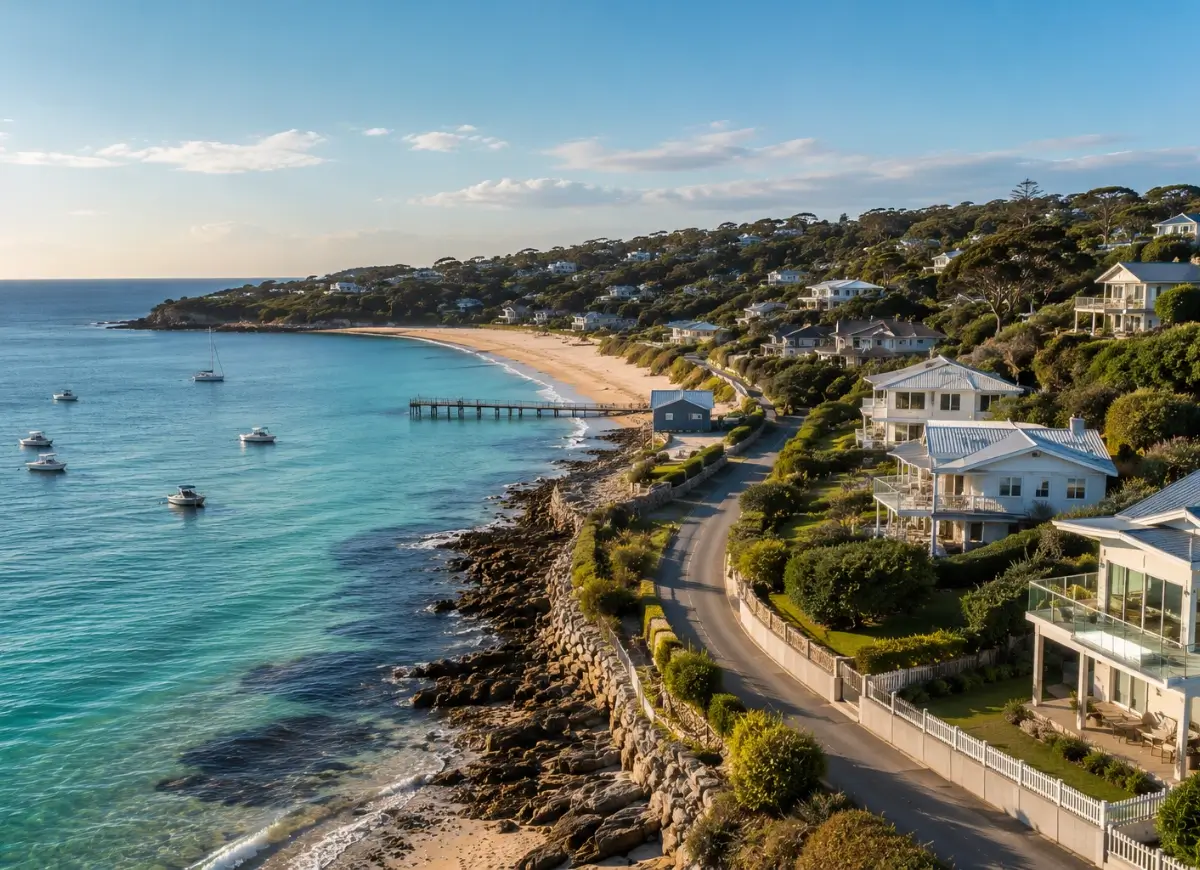
The exclusive tip of the Peninsula, weekenders and prestige coastal houses.
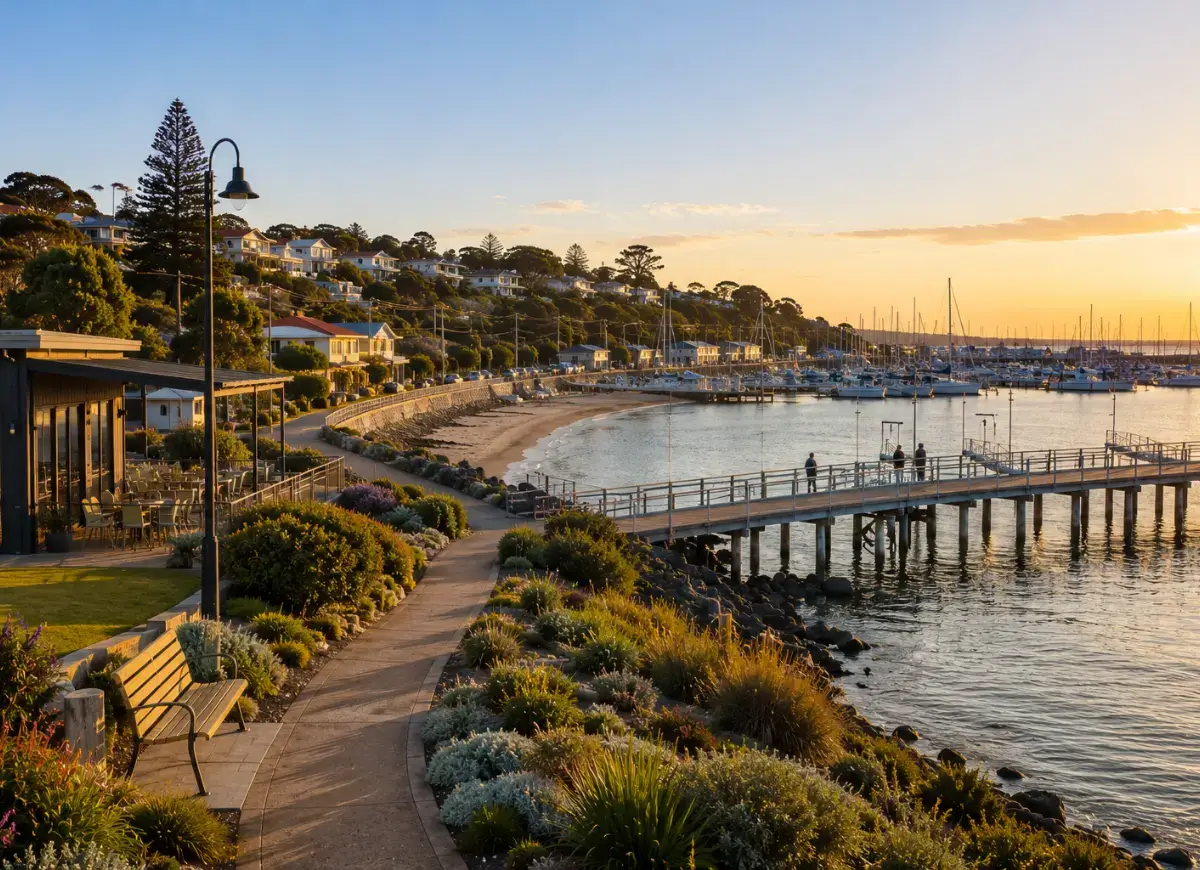
Larger blocks and leafy streets at the gateway to the Peninsula.
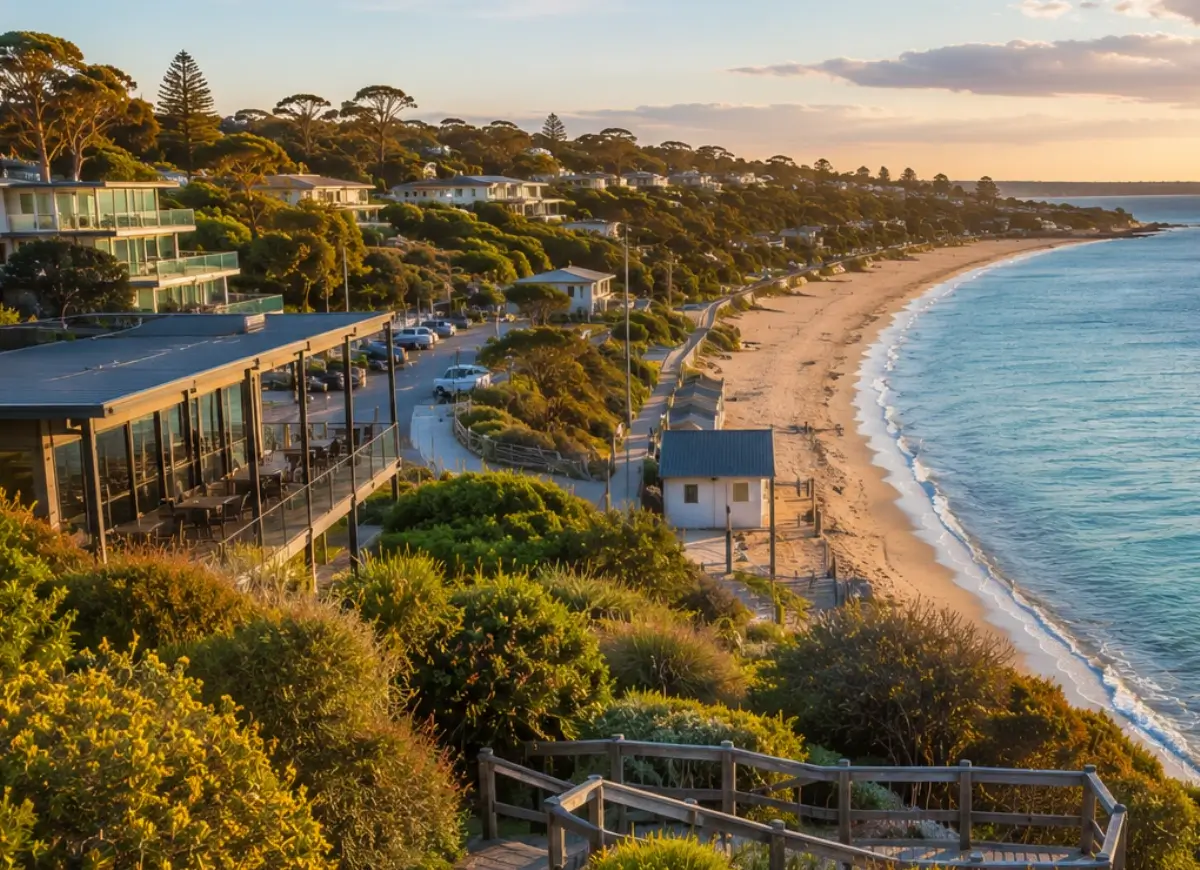
Bayside estates, marina apartments and plenty of new construction.
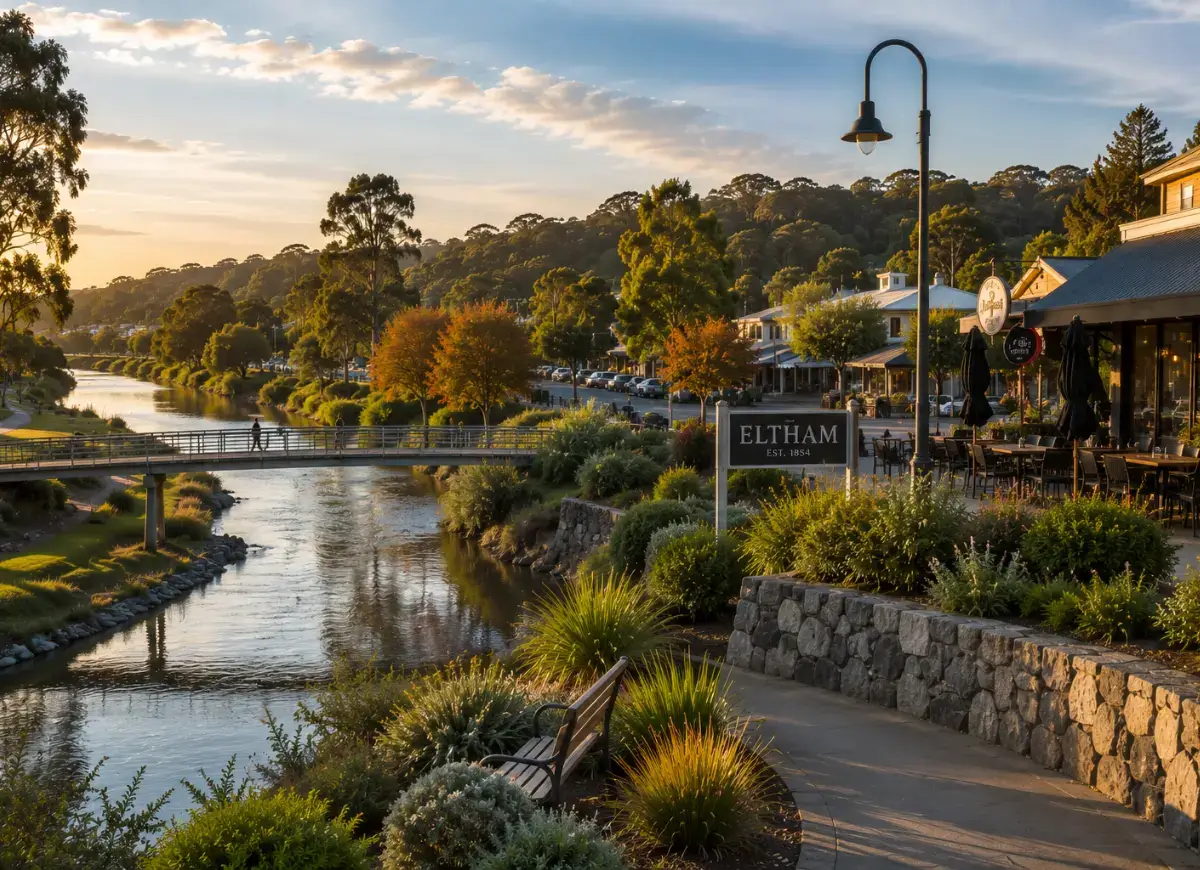
Mudbrick, timber and architect-designed homes among the gum trees.

A small bushland pocket of large blocks and semi-rural quiet.
A family town on the green wedge fringe, with schools and a village centre.
Acreage, hobby farms and horse property within reach of the city.
An established northern hub with retail, transport and a growing estate belt.
Master-planned estates and young families in the outer north.
Farmland turned fast-growing estate suburb, almost entirely new build.
The northern frontier, where first-home builds are still going up.
Paddocks, hobby farms and genuine space in Melbourne’s far north.
New estates spreading across former farmland in the outer south-east.
A south-east centre mixing older homes with newer growth pockets.
A historic village, good schools and leafy streets in the south-east.
Estate streets below the highway, hills and lifestyle blocks above it.
A busy established suburb around Fountain Gate, with stock at every price.
Considerably. A standard block within the township with mains services is assessed as ordinary residential lending, with the full lender panel available and first home buyer schemes in play. A larger parcel outside the town boundary usually falls under rural residential policy, which typically caps the loan at 70 to 80 per cent of value and reduces the number of lenders willing to participate. The land area on the title is what decides it.
For a standard residential property within the township, generally yes, subject to the usual income tests, price caps and prior ownership rules. Larger rural residential blocks often fall outside scheme criteria because of the land size or property type. We check the specific property against the current rules before you commit rather than assuming eligibility carries across.
It can, though it is assessed more cautiously than salary. Lenders typically want two or three years of tax returns and financials, and they may average income across those years to allow for seasonal variation. Some lenders handle primary production income well while others avoid it. Where farm income forms a significant part of your position, the choice of lender matters a great deal.
It is normal throughout the area and lenders are used to it. Both appear in the valuer’s report, and a system in poor condition or absent altogether could affect the valuation or attract a condition on the loan. A functioning setup on an otherwise sound property is unlikely to cause difficulty. We flag anything that might, based on the contract and the section 32.
That is governed by the council’s planning scheme and the zoning rather than by your lender. Farming and rural conservation zones typically impose minimum lot sizes that make subdivision impractical. If a purchase depends on being able to subdivide, get planning advice before signing, because the finance will follow whatever the planning outcome allows.


