Mortgage Broker Yarrambat

Finance for Yarrambat, where properties are measured in acres, sheds count for something and standard home loan policy stops applying.

Contact Us

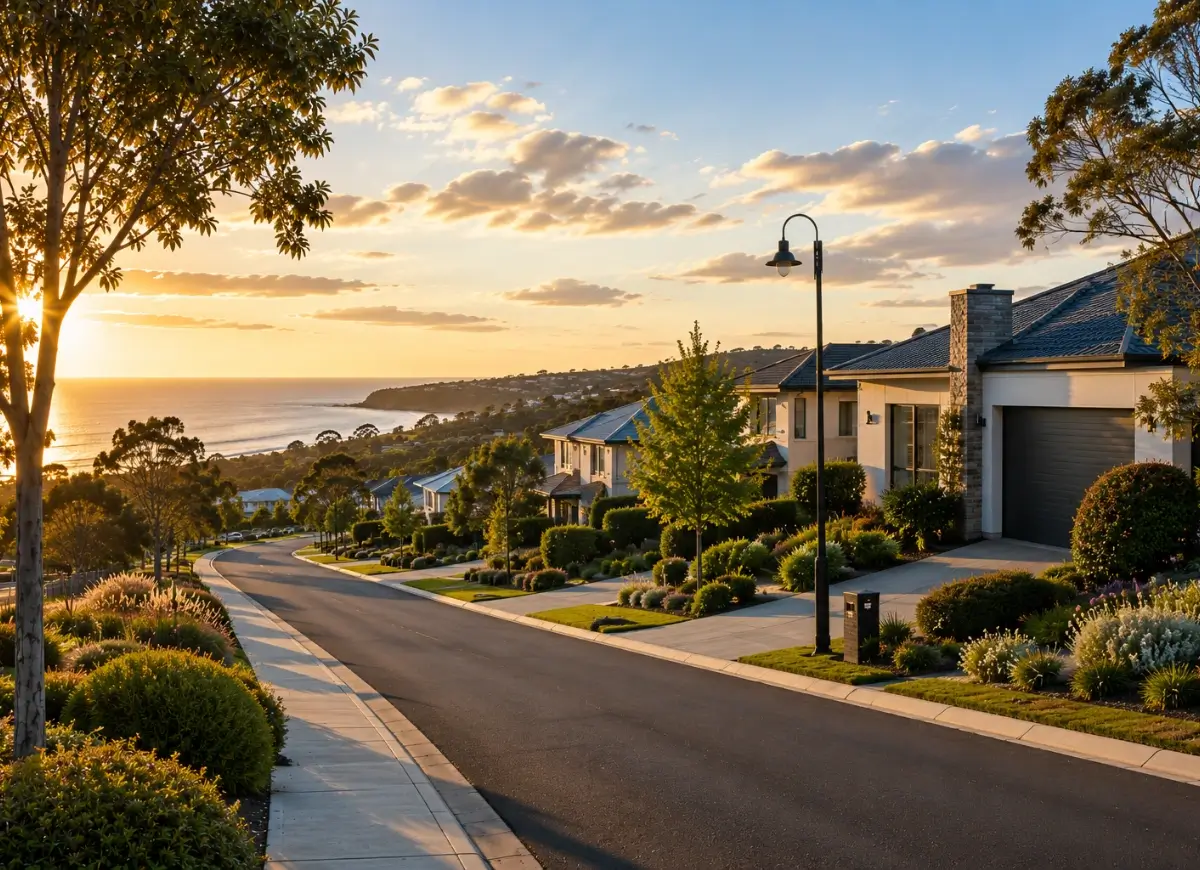
Yarrambat is acreage country within commuting distance of the city. Hobby farms, horse properties, orchards and large lifestyle blocks sit along winding roads, and buyers here are usually after space for animals, machinery or simply distance from the neighbours. What they are buying is land with a house on it rather than a house with a garden, and lenders treat those two things very differently.

Once a block passes a certain size, standard residential policy gives way to rural residential rules. That usually means a lower maximum loan-to-value ratio, a shorter list of participating lenders and closer attention to how the land is used. If there is genuine income coming off the property, some lenders will start viewing it as a farm, which is a different conversation again.

As an independent finance broker covering Melbourne and the north-east, we know which lenders write this business properly and take your file straight to them.

Buying acreage in Yarrambat? Phone 1300 562 696 or send through the listing and we will tell you what is fundable.

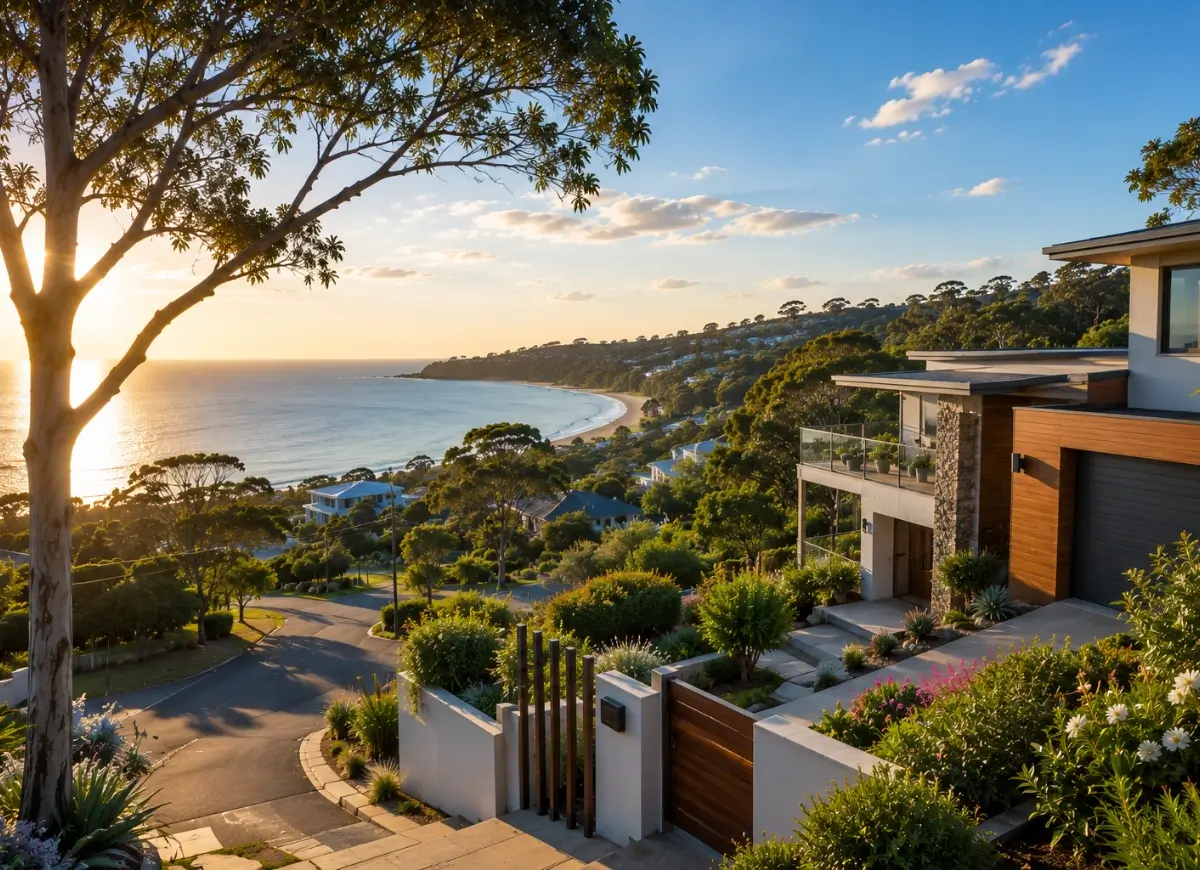
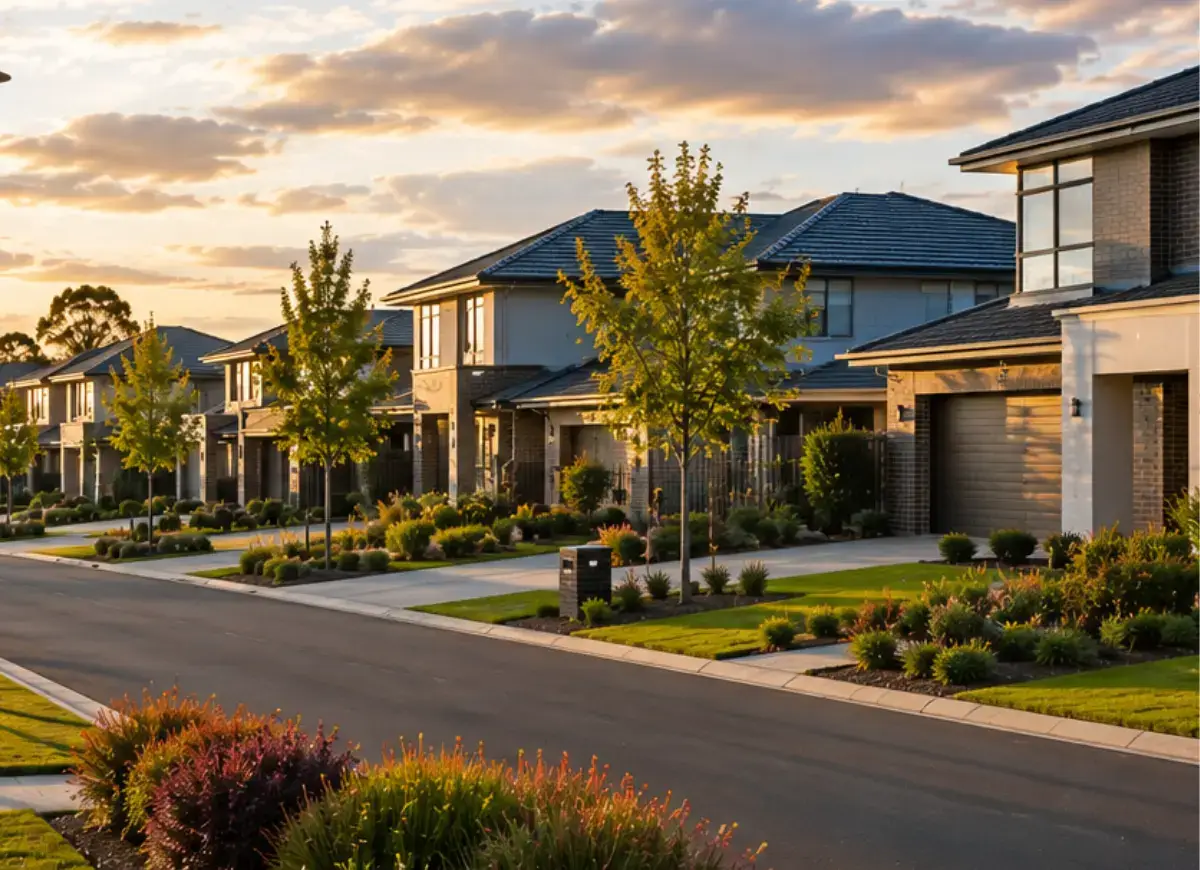
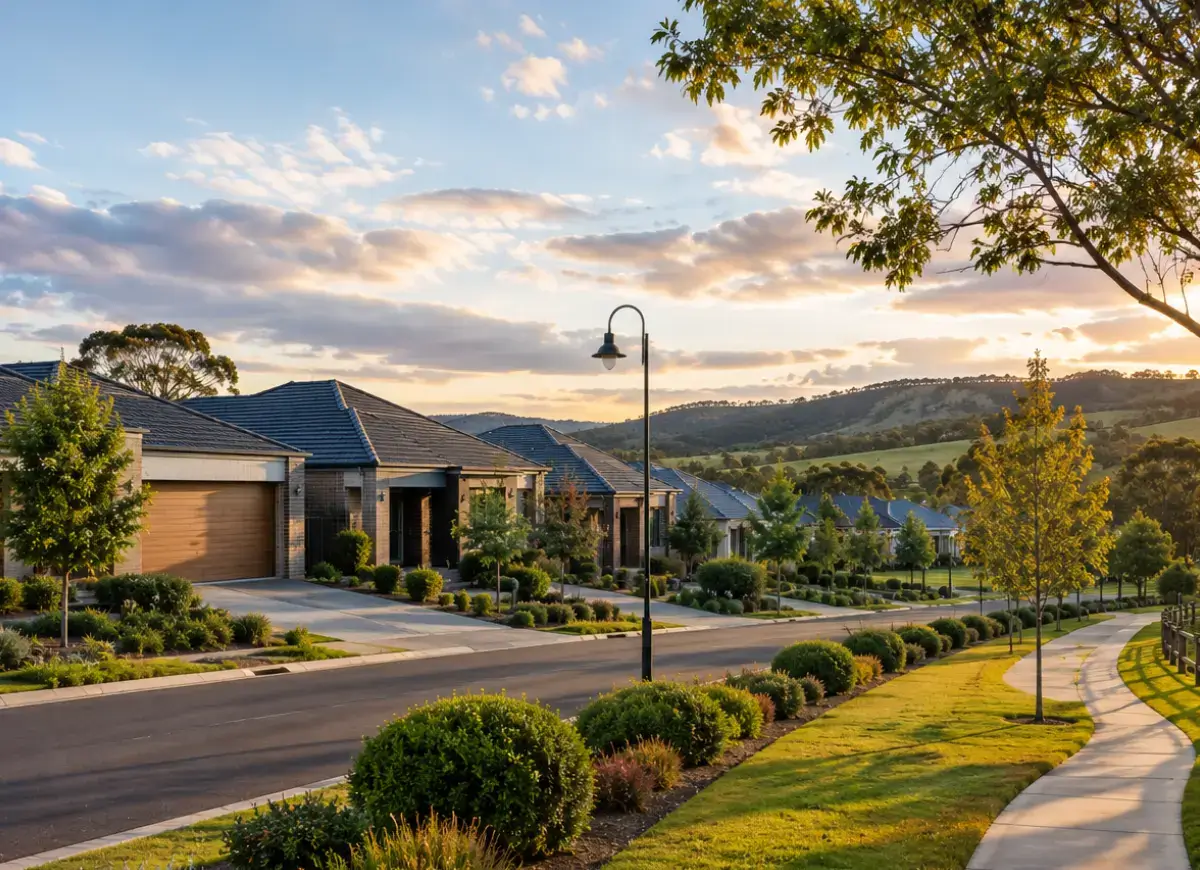
Mortgage broker arranging finance for an acreage property in Yarrambat

What Acreage Lending Involves

Three things separate a Yarrambat purchase from a suburban one, and all three affect what you can borrow.

01

Size dictates the policy

Every lender sets a maximum land area for standard residential treatment. Beyond it, the loan shifts to rural residential terms, typically capping the advance at 70 to 80 per cent of value and cutting the number of lenders willing to proceed.


02

Sheds, stables and outbuildings

Substantial improvements beyond the house itself do not always add to the valuation the way owners expect. Valuers often attribute limited value to large sheds and arenas, which affects the figure your loan is calculated on.

03

How the land is being used

A block used for lifestyle purposes is assessed as residential. One generating meaningful agricultural income may be classed as a rural or commercial proposition, with different products, rates and documentation requirements.

How Acreage Is Classified

What you intend to do with the land matters as much as its size, because the classification sets the product:

Use of the land Usual classification Effect
A house on a large block Rural residential Lower maximum advance, shorter panel
Hobby farm or a few animals Rural residential Generally treated as lifestyle, not farming
Land producing real income Rural or agribusiness Different products and documentation
Substantial sheds or arenas Assessed as improvements Often add less value than they cost

This table is a general guide only. Policies differ by lender, by your circumstances and by the property, and they change over time, so treat it as a starting point rather than a quote.

Land, House and What the Valuer Counts

Buyers are regularly surprised that a property with a modest house and extensive infrastructure values below expectations. Valuers assess against comparable sales, and a purpose-built arena or workshop appeals to a narrow pool of buyers rather than adding its construction cost to the value.

We set realistic expectations before you make an offer, then approach lenders whose policies suit both the land area and the way you intend to use the property, so the deposit required is known from the start.

How a Rural Residential Application Is Judged

Four factors carry the most weight when the property is measured in hectares.

01

Total land area

This is the first filter. Each lender publishes a maximum size for residential lending, and exceeding it changes both the loan-to-value ratio available and the pool of lenders.

We confirm the area from the title, not the advertisement, and match it against current policies before anything is lodged.

02

Zoning and permitted use

Rural conservation, green wedge and farming zones each carry their own restrictions, and some lenders decline particular zones outright.

The zoning also affects what you can build or run on the land later, which is worth knowing before you buy rather than after.

03

The valuation approach

Comparable sales are scarce in acreage markets and properties are rarely alike, so valuations tend to be conservative.

Outbuildings frequently contribute less than their cost. We plan for a figure below the contract price rather than assuming otherwise.

04

Income, servicing and existing debt

Your borrowing capacity is assessed conventionally, against a buffered repayment with your household expenses and existing commitments deducted. Where income comes from the property itself, or from a business or trust, documentation requirements increase. Because the property already limits which lenders can help, your capacity must work within that shorter list, so we test both sides together at the outset.

Other Finance We Arrange

Rural residential clients often need more than a home loan. These are the other areas we cover.

First Home Buyers

First Home Buyers

The schemes, grants and deposit options that open the door the first time.

Investment Loans

Investment Loans

Structures that keep an investment property working alongside your own.

Construction Loans

Construction Loans

Construction finance drawn down stage by stage as the build progresses.

SMSF Loans

SMSF Loans

Property inside a self-managed fund, held under a limited recourse arrangement.

Refinance

Refinance

A review of your existing loan, and a switch when the numbers justify it.

Why Acreage Buyers Come to Us

Rural residential lending is a specialist corner of the market, and experience saves both time and money.

01

We know the land size thresholds

Rather than guessing, we work from current knowledge of where each lender draws its line and what LVR applies above it, so you get an accurate deposit figure early.

02

Honest valuation expectations

We will tell you if we think a property is likely to value under the asking price, before you bid, rather than delivering the news after the contract is signed.

03

Access to the right panel

Our accreditations extend well beyond the majors, including lenders and non-bank funders who are genuinely comfortable with acreage and lifestyle property.

04

Upfront about our income

The lender pays us an upfront and trail commission after settlement, which does not typically change your rate or fees. Where a fee for service is warranted, it is disclosed in writing before we start.

Looking at Acreage in Yarrambat?

Send us the property details and the title particulars, and we will confirm what you can borrow against it and which lenders will consider it. Call us on 1300 562 696.

Contact Us

Where Else Our Brokers Work

We arrange lending across the north-east and greater Melbourne. Choose a locality below, or revisit the Melbourne mortgage broker page.

Frequently Asked Questions (FAQs)

What is the largest block I can buy with a normal home loan?

Most lenders apply standard residential policy up to somewhere between two and ten hectares, with two hectares being a common threshold and a smaller number extending considerably further. Beyond a lender’s limit, the loan is written under rural residential policy, typically capping the advance at 70 to 80 per cent of value. Since the thresholds vary widely, matching the specific block to the right lender genuinely matters.

Will the shed and stables add to the valuation?

Less than most owners expect. Valuers work from comparable sales, and specialised improvements such as large sheds, stables or arenas appeal to a limited pool of buyers, so they often contribute a fraction of what they cost to build. A property with a modest house and extensive infrastructure can value well below the sum of its parts. We factor this in before you make an offer.

Can I run a few horses or livestock without it becoming a farm loan?

Generally yes. Keeping animals for personal enjoyment is consistent with a lifestyle or hobby farm classification, which most lenders treat as rural residential rather than agricultural. The distinction turns on whether the property generates meaningful commercial income. Once it does, some lenders shift to agribusiness products with different terms and documentation. We clarify which side of the line your plans fall on.

How much deposit do I need for a Yarrambat acreage?

Usually more than for a suburban home. Where rural residential policy applies, the maximum loan-to-value ratio commonly sits at 70 to 80 per cent, meaning 20 to 30 per cent of the value must come from your own funds or equity elsewhere. Since the lender lends against the lower of valuation and price, a conservative valuation increases that requirement further. We calculate a realistic figure for the specific property.

Can I build or add a second dwelling on the land?

That depends on the zoning and the council’s planning controls rather than the lender. Rural conservation and green wedge zones restrict what can be built and how land can be subdivided. If you are buying with a build in mind, confirm what is permitted before you commit, because the finance follows the planning outcome. We can arrange a construction loan once approvals are in place.