Yellow Goods and Plant Equipment Finance

Finance for excavators, loaders and heavy plant, new or used, for construction, earthmoving and civil work.

From a single machine to a fleet of plant, we compare the specialist lenders, match the structure to your cash flow, and handle dealer, private and auction purchases.

Contact Us

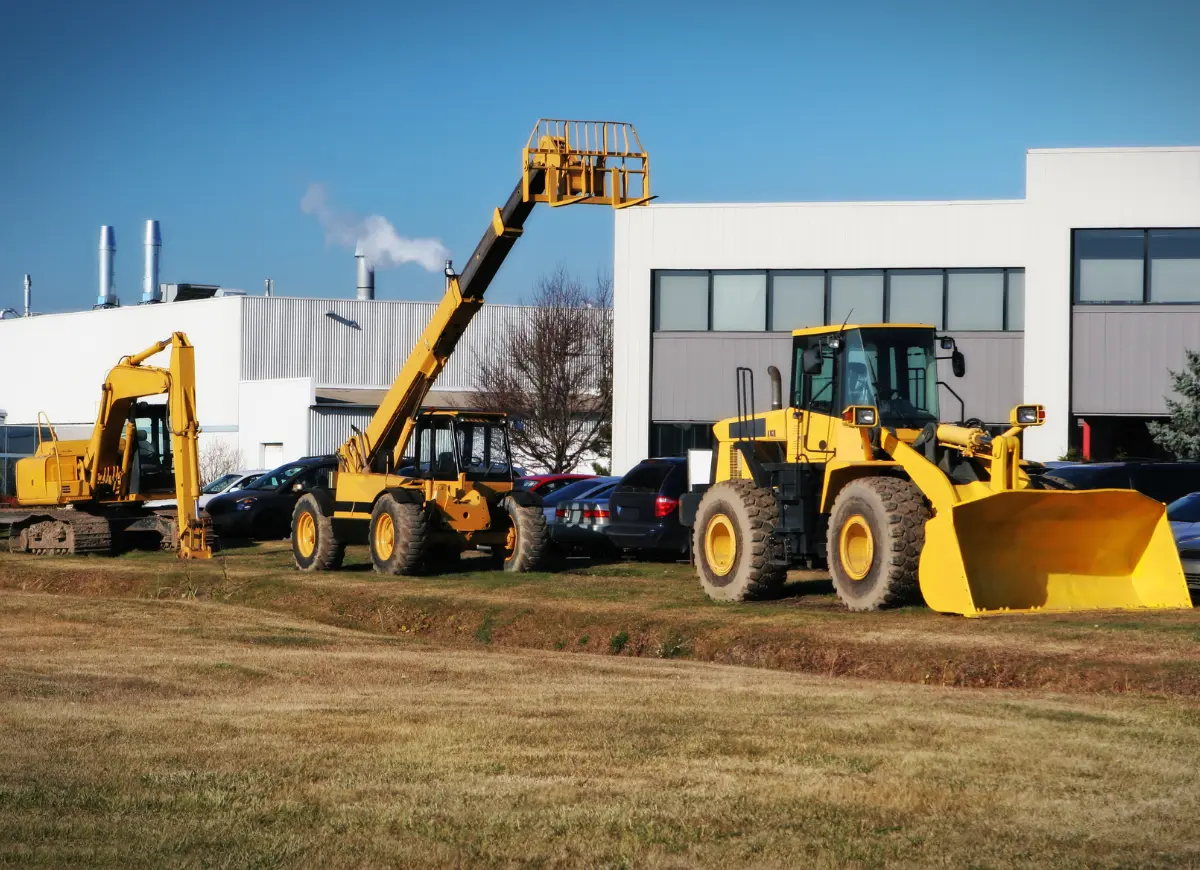
Yellow goods and plant equipment finance funds the heavy machinery that construction, earthmoving and civil businesses run on, excavators, loaders, dozers, graders, rollers and the wider plant fleet. These are high-value, hard-working assets, and because the machine secures the loan, this finance is usually faster and lighter on documentation than other business lending.

Heavy plant can be bought new, used, or at auction, and each route is handled a little differently. The finance can be structured as a chattel mortgage, lease, or hire purchase, with the structure chosen around how you want to own the machine and manage cash flow. Used and auction purchases are common in this market, and specialist lenders understand them well.

At Loanworx, we compare yellow goods and plant finance across a panel of banks and specialist asset-finance funders who understand heavy machinery, match the structure to your cash flow, and present your application in its strongest form. As an experienced commercial finance broker, we work for you and coordinate with your accountant on the tax side.

Financing an excavator, a loader or a fleet of plant? Call us on 1300 562 696 or get in touch and we’ll be back to you shortly.

How Yellow Goods Finance Works

Plant finance comes down to the machine, the structure and how it’s bought. Here’s how it works.

What yellow goods finance covers

Yellow goods finance funds heavy earthmoving and construction machinery, excavators, loaders, dozers, graders, rollers and the wider plant fleet, along with attachments and ancillary equipment. The machine itself serves as the security, which is what keeps this finance fast and accessible.

Chattel mortgage, lease or hire purchase

Plant can be financed as a chattel mortgage, where you own the machine from day one; a finance lease, where the lender owns it; or hire purchase, which transfers ownership at the end. Each carries different ownership, cash-flow and tax outcomes, which we compare with your accountant.

New, used and auction purchases

Heavy plant is often bought used or at auction, and specialist lenders understand these purchases well. New, used and auction-bought machines can all be financed, with the machine’s age, hours and condition feeding into the terms. We match the specific purchase to a lender comfortable with it.

Plant Finance That Keeps Machines Earning

A piece of heavy plant is a significant investment that has to earn on the job, so the finance behind it should match the income it generates rather than tie up cash you need elsewhere. The structure, deposit and any balloon all shape how the repayments sit against project cash flow.

We compare the specialist plant lenders, match the structure to how your business runs, and arrange any deposit or balloon to suit your cash flow. We handle dealer, private and auction purchases, new or used, so the machine is financed and earning without holding up the job.

Excavator, loader and heavy plant finance

Explore Our Other Asset Finance Services

Plant and machinery finance is one of several ways we fund business assets. Explore our other asset finance services below to find the right fit.

Personal Loans

Personal Loans

Flexible personal finance for a car, travel, renovations, consolidation and life’s larger expenses.

Car Loans

Car Loans

Competitive finance to buy a car, new or used, for personal use, structured around your budget.

Business Car Loans

Business Car Loans

Vehicle and fleet finance for business through chattel mortgage, lease or hire purchase.

Car Finance and Leasing

Car Finance and Leasing

Novated leasing and car finance options structured around how you use and own the vehicle.

What Lenders Look At for Plant Finance

Plant finance is assessed on the machine and the business. These are the factors that shape your approval and structure.

01

The machine as security

The machine secures the loan, so its make, model, age, hours and condition feed into the terms. In-demand, well-maintained plant attracts the strongest terms; older or high-hour machines can mean tighter ones.

We match the machine to a lender comfortable with it.

02

Your business and ABN

Lenders look at how long the business has traded, its ABN and GST registration, and its track record on similar work. Established, GST-registered businesses access the widest choice, including low-doc options.

We present the business in its strongest form.

03

Your deposit and balloon

A deposit reduces the amount financed, and a balloon at the end lowers monthly repayments in exchange for a lump sum later. The right balance depends on project cash flow and how long you’ll keep the machine.

We structure both around the work the machine does.

04

Serviceability and cash flow

Lenders assess whether the business can meet the repayments alongside its other commitments, and the income from contracts the machine works on often supports the case.

We frame the application around your project cash flow.

05

Used and auction considerations

Used and auction-bought plant is common in this market, but it needs the right lender, one that understands valuations, hours and auction timelines. Matching an auction or private purchase to a specialist lender is exactly what we do, so buying used is no barrier to competitive finance.

Why Clients Choose Loanworx

Asset finance isn’t only about the headline rate. It’s about being matched to a lender that suits the asset, structuring the facility around your budget and, where relevant, your tax, and getting it approved quickly. Here’s what working with us looks like.

01

Whole-of-market comparison

We compare asset finance across a broad panel of banks, second-tier lenders and specialist asset-finance funders, so you see a genuine spread of options rather than one lender’s offering. We match the asset and your situation to the lender most likely to approve it at a competitive rate.

02

Fast, asset-backed approvals

Because the asset secures the loan, many deals can be approved on limited documentation and settled quickly. We know which lenders move fastest for which assets, so you can get the vehicle or equipment working without a drawn-out process.

03

Structured for your budget and tax

The right structure depends on how you want to own the asset, manage repayments and, on the business side, treat it for tax. We compare the structures, including any deposit or balloon, and coordinate with your accountant where it’s a business asset.

04

Clear fee and commission disclosure

For most asset finance, Loanworx is paid an upfront and trail commission by the lender after settlement, and that commission typically does not change the rate or fees you pay. Where a fee for service applies to a more complex scenario, we disclose it in writing before any work begins. No surprises.

Frequently Asked Questions (FAQs)

What is yellow goods finance?

Yellow goods finance is asset finance for heavy earthmoving and construction machinery, the excavators, loaders, dozers, graders and rollers that civil and construction businesses run on. The term comes from the colour much of this machinery is painted. Because the machine secures the loan, this finance is usually faster and lighter on documentation than other business lending. We arrange it through specialist lenders who understand heavy plant.

What plant and machinery can I finance?

A wide range: excavators, loaders, dozers, graders, rollers, skid steers and the wider plant fleet, along with attachments and ancillary equipment. New, used and auction-bought machines can all be financed. As a guide, if it’s a business machine with a resale value, it can usually be financed, with the machine itself as the security. We match the specific item to a lender with appetite for it.

Can I finance used or auction-bought plant?

Yes. Used and auction purchases are common in the plant market, and specialist lenders understand them well, including how to value machines on age, hours and condition and how to work to auction timelines. Used machines can mean slightly tighter terms because they depreciate, but they’re no barrier. We match the purchase to a lender comfortable with used and auction-bought plant.

Do I need full financials for plant finance?

Not always. Because the machine secures the finance, many lenders offer low-doc or asset-backed approvals for established, GST-registered businesses with a clean track record, sometimes without full financials. Larger facilities, newer businesses or specialised machines may need more documentation. We match you to a lender whose requirements suit your situation.

What structures are available for plant finance?

The main options are a chattel mortgage, where you own the machine from day one and the lender holds security; a finance lease, where the lender owns it and leases it to you; and hire purchase, which transfers ownership at the end. Each has different ownership, cash-flow and tax outcomes. We compare them and coordinate with your accountant on the best fit for your business.

Can I claim GST and depreciation on heavy plant?

Often, yes, depending on the structure and your circumstances, but it’s a tax matter. A chattel mortgage, for example, commonly lets a GST-registered business claim the GST on the purchase and depreciate the machine, while leasing is treated differently. Heavy plant can also involve significant depreciation. We’re not tax advisers, so we structure the finance to suit the treatment your accountant recommends.

Contact an Asset Finance Specialist Today

Talk through what you’re financing with an asset finance specialist, with no cost and no obligation. Call us on 1300 562 696 or get in touch and we’ll be back to you shortly, ready to find the right facility for your asset.

Contact Us

Disclaimer: The information provided here is general in nature and should not be considered financial, tax or legal advice. You should consult your professional advisers, such as your accountant, solicitor and financial planner, to see whether a particular finance strategy is suitable for your business, ahead of a discussion with us that will be limited to how to arrange any funding required.